Essential Nonprofit Insurance Requirements Unpacked
August 21, 2026 15 min read 3,056 words
Navigate the complex world of nonprofit insurance to safeguard your mission, assets, and the people who make your work possible.
Secure Your Mission
Understanding the Foundation: Core Nonprofit Insurance Requirements
 Photo: RDNE Stock project / Pexels
Operating a nonprofit organization is a noble endeavor, driven by passion and a commitment to a cause. However, even the most altruistic intentions don't exempt these organizations from the myriad risks inherent in any operational entity. In fact, nonprofits often face unique exposures due to their reliance on volunteers, public interaction, and diverse fundraising activities. Understanding core nonprofit insurance requirements is not just about compliance; it's about safeguarding your mission, protecting your assets, and ensuring the continuity of your vital work. This foundational knowledge is paramount for any board member, executive director, or risk manager involved in a nonprofit.
At its heart, general liability insurance is often the first line of defense. This policy protects your organization from claims of bodily injury or property damage that occur on your premises or as a result of your operations. Imagine a donor tripping and falling at your annual gala, or a piece of equipment used during a community outreach event accidentally damaging public property. Without adequate general liability coverage, your nonprofit could face significant legal expenses and damages, potentially derailing your mission. Many venues, landlords, and grant providers will specifically require proof of general liability insurance before allowing your organization to operate or participate in their programs, making it an essential component of your operational framework. The scope of general liability should be carefully reviewed to ensure it covers all aspects of your organization's public and operational interactions.
Another critical component, particularly for nonprofits with employees, is workers' compensation insurance. While the specific requirements vary by state, nearly all states mandate this coverage for organizations with one or more employees. Workers' compensation provides medical benefits and wage replacement for employees who suffer work-related injuries or illnesses. Failing to carry this mandatory insurance can result in hefty fines, legal penalties, and direct financial responsibility for employee injuries. It's not just about legal compliance; it's about fulfilling your ethical obligation to protect those who work tirelessly for your cause. This coverage extends beyond full-time staff to part-time employees and, in some cases, even interns, depending on their employment status and state regulations.
Understanding your state's specific workers' compensation laws for nonprofits is a crucial step in ensuring full compliance and protection.
Property insurance is also a non-negotiable requirement for many nonprofits, especially those that own or lease physical spaces, equipment, or valuable assets. This coverage protects your organization's buildings, contents, and other property from perils such as fire, theft, vandalism, and certain natural disasters. Whether it's your office space, a community center, a fleet of vehicles used for services, or specialized equipment for your programs, these assets are often indispensable to your operations. Losing them to an unforeseen event without proper insurance could mean a complete halt to your services and an enormous financial burden. The type and extent of property insurance will depend heavily on the nature of your assets and their value. It's important to consider both the replacement cost and the actual cash value of your property when determining appropriate coverage limits, ensuring that your organization can recover and rebuild effectively after a loss.
Specialized Coverage: Protecting Nonprofit Leadership and Volunteers
 Photo: RDNE Stock project / Pexels
Beyond the basic operational insurance, nonprofit organizations navigate a unique landscape of risks that necessitate specialized coverage. Two areas that often demand particular attention are the protection of an organization's leadership and its invaluable volunteer base. Directors and Officers (D&O) liability insurance is perhaps one of the most critical, yet sometimes overlooked, policies for nonprofits. Board members, trustees, and officers of a nonprofit face personal liability for their decisions and actions taken on behalf of the organization. This exposure extends to allegations of mismanagement, financial misstatements, breach of fiduciary duty, or even wrongful termination claims. D&O insurance protects these individuals' personal assets and covers the legal defense costs and settlements that can arise from such claims, even if the allegations prove to be unfounded. Without this protection, attracting and retaining qualified, experienced individuals to serve on your board can become incredibly challenging, as potential leaders may be unwilling to expose their personal finances to such risks. It's a vital tool for good governance and leadership stability.
Another cornerstone of specialized coverage for nonprofits is Errors and Omissions (E&O) insurance, also known as professional liability insurance. This policy protects your organization against claims of negligence, errors, or omissions in the professional services you provide. For instance, a counseling service might face a claim if a client alleges harm due to faulty advice, or an educational program could be sued for perceived inadequacies in its curriculum. E&O insurance covers legal defense costs and damages resulting from such claims, which are distinct from bodily injury or property damage covered by general liability. The specific services your nonprofit offers will dictate the necessity and scope of E&O coverage, making a thorough risk assessment crucial in this area. It's about protecting the integrity of your professional services and the trust placed in your organization by those you serve.
Given the heavy reliance of most nonprofits on the dedication of volunteers, volunteer accident insurance is a highly recommended, though often not legally mandated, coverage. While workers' compensation typically covers employees, volunteers are generally not considered employees and therefore fall outside its scope. If a volunteer sustains an injury while performing duties for your organization – perhaps during a cleanup drive, while assisting at an event, or transporting goods – your nonprofit could still face moral and, potentially, legal responsibility. Volunteer accident insurance provides medical expense coverage for injuries sustained by volunteers during their service, regardless of fault. This not only offers peace of mind to your volunteers but also demonstrates your organization's commitment to their well-being, fostering a more positive and secure environment for their invaluable contributions. It's an investment in the people who power your mission.
Cyber liability insurance has also rapidly become a necessity in the digital age. Nonprofits, like any organization, collect and store sensitive data – donor information, client records, volunteer details, and financial data. A data breach could lead to significant financial losses, reputational damage, and legal repercussions. Cyber liability insurance helps cover costs associated with data breaches, such as forensic investigations, notification costs, credit monitoring for affected individuals, public relations expenses, and legal defense if lawsuits arise from the breach. As nonprofits increasingly rely on digital platforms for fundraising, communication, and service delivery, this coverage is no longer a luxury but a critical component of a comprehensive risk management strategy. It protects your organization's digital assets and the trust of your stakeholders in an increasingly interconnected world.
Navigating Compliance and Tailoring Coverage for Your Mission
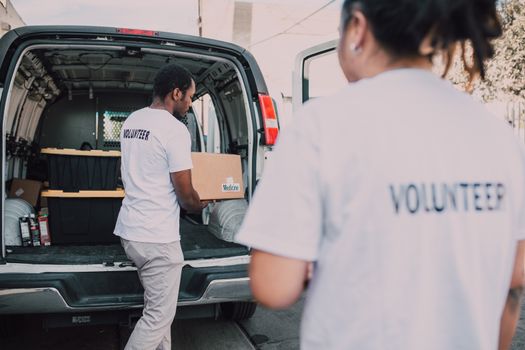 Photo: RDNE Stock project / Pexels
Understanding the landscape of nonprofit insurance requirements is only half the battle; successfully navigating compliance and tailoring coverage to your organization's specific mission and activities is the other. This involves a proactive approach to risk management, a deep dive into regulatory frameworks, and a strategic partnership with insurance professionals. One of the primary considerations is regulatory compliance. As mentioned, workers' compensation is state-mandated for most employers, but other requirements can stem from federal grants, licensing bodies, or even contractual obligations with partners. For instance, if your nonprofit operates vehicles for transportation services, specific commercial auto insurance policies are not only legally required but also essential to protect against liability arising from accidents. These policies often need to cover a broader range of risks than personal auto insurance, including higher liability limits and coverage for vehicles used in specific charitable activities. Non-compliance can lead to severe penalties, loss of funding, and significant operational disruptions.
Event liability insurance is another crucial consideration, especially for nonprofits that host fundraising galas, community festivals, or public awareness campaigns. While general liability offers some baseline protection, event-specific policies can provide broader coverage for unique risks associated with large gatherings, such as liquor liability (if alcohol is served), participant injury at sporting events, or cancellation coverage due to unforeseen circumstances. Many venues will demand proof of robust event liability insurance before allowing your nonprofit to host an event on their premises, often requiring specific additional insured endorsements. Neglecting this specialized coverage could expose your organization to immense financial risk from incidents during these high-profile activities, which are often central to a nonprofit's fundraising and outreach efforts. It is always wise to assess each event individually for its unique risk profile.
Furthermore, the tailoring of coverage extends to considering the specific populations your nonprofit serves and the nature of your programs. If your organization works with vulnerable populations such as children, the elderly, or individuals with disabilities, additional abuse and molestation coverage is paramount. This specialized policy protects your nonprofit against claims arising from allegations of sexual abuse or physical abuse by staff, volunteers, or other individuals associated with your organization. Such claims can be financially devastating and severely damage your reputation, making this coverage an ethical and practical necessity for many service-oriented nonprofits. Similarly, if your nonprofit engages in international work, policies like international general liability, kidnap and ransom insurance, or foreign voluntary workers' compensation become critical to protect staff and volunteers operating abroad.
Finally, an often-overlooked but increasingly relevant area is employment practices liability insurance (EPLI). This coverage protects your nonprofit from claims made by employees, former employees, or even potential employees regarding wrongful termination, discrimination (based on age, race, gender, religion, etc.), sexual harassment, or other employment-related allegations. Even with robust HR policies, such claims can arise and lead to costly legal battles. EPLI covers defense costs and settlements, providing a vital layer of protection for organizations navigating the complexities of employment law.
Proactive risk management, including clear policies and training, can mitigate some of these risks, but EPLI provides a crucial financial safety net.
Critical Considerations and Common Mistakes in Nonprofit Insurance
 Photo: RDNE Stock project / Pexels
Securing the right nonprofit insurance requirements isn't a one-time task; it's an ongoing process that demands careful consideration and a proactive approach. Many nonprofits, often due to budget constraints or lack of specialized knowledge, make common mistakes that can leave them dangerously exposed. Avoiding these pitfalls is as important as understanding the necessary policies. One of the most frequent errors is underinsuring, where an organization opts for the lowest possible coverage limits to save money. While cost-saving is understandable, inadequate limits can mean that a single significant claim quickly exhausts your coverage, leaving your nonprofit responsible for the remaining balance. This can be devastating, forcing an organization to deplete reserves or even cease operations. It’s vital to strike a balance between affordability and comprehensive protection, often guided by a detailed risk assessment.
Another prevalent mistake is failing to regularly review and update policies. Nonprofits evolve; programs change, staff numbers fluctuate, new properties are acquired, and services expand. An insurance policy that was adequate two years ago might be completely insufficient today. Annual reviews with your insurance broker are essential to ensure your coverage aligns with your current operational realities and emerging risks. This includes updating property values, adjusting D&O coverage as board members change, and confirming that new programs are adequately covered by general liability and professional liability policies. Neglecting these reviews can leave critical gaps in your protection, often discovered only when a claim arises.
Furthermore, many nonprofits mistakenly assume that volunteers are covered under workers' compensation or general liability policies. As discussed, this is rarely the case, making volunteer accident insurance a critical, often overlooked, necessity. Similarly, overlooking cyber liability insurance in an increasingly digital world is a significant oversight. Data breaches are not exclusive to large corporations; nonprofits handle sensitive donor and client information, making them equally vulnerable. The cost of a breach can be enormous, extending far beyond direct financial loss to include reputational damage and loss of trust within the community.
Here are some critical considerations and common mistakes to avoid:
* **Ignoring Risk Assessments:** Don't guess your risks; conduct regular, thorough assessments to identify unique exposures.
* **Not Using a Specialist Broker:** General insurance agents may not understand the specific needs and exposures of nonprofits. Seek out brokers with nonprofit expertise.
* **Failing to Disclose Activities:** Any new programs, events, or changes in operations must be disclosed to your insurer to ensure continued coverage.
* **Lack of Crisis Management Plan:** Insurance is a financial safety net, but a robust crisis management and communication plan is crucial for managing the aftermath of an incident.
* **Assuming Coverage for All Events:** Many special events require specific event liability insurance, distinct from your general liability policy.
* **Overlooking EPLI:** Employment-related claims are a growing risk, and EPLI provides essential protection for your nonprofit and its leadership.
* **Not Educating Board & Staff:** Ensure your leadership and key staff understand the importance and basics of your insurance coverage.
