✓ Small nonprofits often rely heavily on community engagement for fundraising success.
✓ Digital fundraising tools are crucial for reaching wider audiences, even with limited budgets.
✓ Storytelling is a powerful, low-cost method to connect with potential donors.
✓ Recurring donations, even small amounts, provide crucial predictable income for small organizations.
How It Works
1
Assess Your Resources
Before launching any fundraiser, evaluate your team's capacity, available budget, and existing donor base. This helps in selecting realistic and achievable fundraising ideas tailored to your unique situation.
2
Choose Strategic Ideas
Select fundraising methods that align with your mission and resonate with your target audience. Focus on ideas that offer a good return on investment (time and money) for your small organization.
3
Execute with Passion
Implement your chosen fundraising activities with clear communication, engaging storytelling, and efficient logistics. Leverage volunteers and community partners to extend your reach and impact.
4
Cultivate Relationships
Fundraising doesn't end with a donation; it's about building lasting relationships. Thank your donors promptly and sincerely, share impact updates, and keep them engaged for future support.
Unlocking Community Power: Grassroots Fundraising for Small Nonprofits
Photo: RDNE Stock project / Pexels
For small nonprofit organizations, the community is often their strongest asset. Unlike large institutions with extensive donor databases and dedicated fundraising departments, small nonprofits thrive on grassroots efforts, leveraging personal connections, local networks, and the passionate support of their immediate community. This approach is not just about collecting donations; it's about building a movement, one supporter at a time. Effective grassroots fundraising starts with identifying your core supporters – your volunteers, board members, and most dedicated advocates. These individuals are your best ambassadors, capable of spreading your message authentically and bringing in new donors who share similar values. Organize small, intimate events like house parties where a host invites friends and family to learn about your cause. These gatherings allow for deeper conversations, personal testimonials, and a chance for potential donors to ask questions in a comfortable setting. The personal touch often leads to higher engagement and more significant contributions than a large, impersonal appeal. Another powerful grassroots strategy is to partner with local businesses. Many small businesses are eager to support local causes as it enhances their community image and can drive customer traffic. Consider setting up a 'percentage of sales' day where a local coffee shop or boutique donates a portion of their proceeds to your organization. This is a win-win: the business gets positive PR, and your nonprofit gains exposure and funds without significant overhead. Furthermore, engaging your community through volunteer opportunities can be a potent fundraising tool. Volunteers often become your most loyal donors because they have invested their time and energy into your mission. When they see the direct impact of their efforts, they are more inclined to contribute financially and encourage others to do the same. Create clear pathways for volunteers to transition into donors, perhaps by inviting them to a special 'insider' event or sharing exclusive impact reports. Remember, the strength of grassroots fundraising lies in its authenticity and the genuine connections it fosters. It’s about empowering your community to feel ownership over your mission, transforming them from passive observers into active participants and dedicated supporters. By focusing on these localized, relationship-driven strategies, small nonprofits can build a robust and sustainable funding base, demonstrating that even with limited resources, community power can achieve remarkable results. For more insights on building a strong volunteer base, explore resources on effective volunteer management for nonprofits.
Maximizing Digital Reach: Cost-Effective Online Fundraising Strategies
Photo: RDNE Stock project / Pexels
In today's digital age, even the smallest nonprofit can leverage online platforms to reach a global audience and secure vital funding. The key is to be strategic, focusing on cost-effective tools and methods that yield the best return on investment. A well-optimized website with a clear, easy-to-use donation button is fundamental. Ensure your donation page is mobile-friendly, secure, and clearly articulates your impact. Many payment processors offer reduced fees for nonprofits, so research these options to maximize every dollar donated. Social media is an invaluable, often free, tool for small nonprofits. Instead of just asking for money, use platforms like Facebook, Instagram, and X (formerly Twitter) to tell your story, share success stories, and show the tangible difference donations make. Post compelling photos and short videos that evoke emotion and highlight the beneficiaries of your work. Encourage supporters to share your posts, effectively turning them into your digital fundraisers. Consider running targeted social media campaigns for specific needs, such as 'Fund a Meal for 10 Families' or 'Sponsor a Child's Education.' Peer-to-peer fundraising campaigns are another highly effective online strategy. Equip your passionate supporters with personalized fundraising pages they can share with their networks. Platforms like Givebutter, Classy (for smaller scale), or even Facebook's built-in fundraising tools allow individuals to create campaigns on behalf of your organization. This leverages the trust and influence of their personal connections, often leading to donations from people who might not otherwise have heard of your nonprofit. Email marketing remains one of the most powerful digital fundraising tools. Build an email list by collecting sign-ups on your website, at events, and through social media. Send regular newsletters that update subscribers on your progress, share inspiring stories, and include clear calls to action for donations. Segment your list to send more personalized appeals, thanking donors for their past contributions and highlighting new ways they can help. Free or low-cost email marketing platforms like Mailchimp or ConvertKit offer excellent features for small organizations. Finally, explore online giving days and crowdfunding platforms. Participating in local or national giving days (like GivingTuesday) can significantly amplify your reach and donations. Crowdfunding sites can be great for specific projects or emergencies, allowing you to tell a compelling story and raise funds from a broad base of individual donors. By strategically combining these digital approaches, small nonprofits can extend their reach far beyond their immediate community, attracting new donors and securing the resources needed to fulfill their mission in an increasingly connected world.
Creative and Low-Cost Fundraising Events for Maximum Impact
Photo: RDNE Stock project / Pexels
Fundraising events don't have to be extravagant galas costing thousands to organize. For small nonprofits, creativity and community spirit can often generate more impact than a large budget. The key is to design events that are unique, engaging, and align with your mission, while keeping overhead low. Consider hosting a 'skills-based' fundraising event. For example, if your nonprofit focuses on environmental conservation, organize a community garden build day where participants pay a small fee to join, learn about gardening, and contribute to a local green space. If your mission involves education, perhaps a 'lunch and learn' series featuring local experts who donate their time, with attendees paying a modest ticket price that includes lunch. These events offer value to participants beyond just supporting a cause, making them more attractive. Another popular and low-cost option is a 'challenge' fundraiser. This could be a walk-a-thon, a read-a-thon, or even a virtual fitness challenge where participants gather pledges for completing a goal. These events are easy to organize, highly shareable on social media, and empower individuals to become active fundraisers for your cause. They foster a sense of community and friendly competition, driving engagement and donations. Partnering with local venues can also significantly reduce costs. Many restaurants, breweries, or community centers are willing to host nonprofit events for free or at a reduced rate, especially if it brings new customers to their establishment. A 'dine and donate' night at a local restaurant, where a percentage of sales goes to your nonprofit, is a classic example. Similarly, a 'trivia night' or 'bingo for a cause' at a local pub can be a fun, low-effort way to raise funds and engage a broader audience. Don't underestimate the power of unique experiences. Instead of selling tangible items, consider auctioning off experiences donated by community members or local businesses. This could be a cooking class, a weekend getaway, a guided hike, or even a personalized portrait session. People are often willing to pay more for unique experiences than for physical goods, and these items cost your nonprofit nothing to acquire. Finally, leverage your existing assets. Do you have volunteers with unique talents? Perhaps a musician can perform a benefit concert, or an artist can lead a workshop. Utilize your board members' networks for silent auction items or corporate sponsorships for smaller events. Every dollar saved on event costs is another dollar that goes directly to your mission. By thinking creatively and tapping into community resources, small nonprofits can host memorable and profitable fundraising events that strengthen community ties and significantly advance their cause. For more detailed event planning tips, check out event planning guides for small nonprofits.
Common Fundraising Mistakes Small Nonprofits Make (and How to Avoid Them)
Photo: RDNE Stock project / Pexels
Even with the best intentions, small nonprofits can inadvertently fall into common fundraising pitfalls that hinder their progress. Recognizing these mistakes is the first step toward building a more robust and sustainable fundraising strategy. Here are some frequent errors and how to avoid them:
* **Mistake 1: Not Telling Your Story Effectively.** Many small nonprofits focus too much on statistics and organizational needs rather than the emotional impact of their work. Donors connect with stories of transformation, resilience, and hope.
* **Solution:** Develop compelling narratives about the individuals or communities you serve. Use photos and videos. Show, don't just tell, the difference you make.
* **Mistake 2: Neglecting Donor Stewardship.** It’s easier to retain an existing donor than acquire a new one. Failing to properly thank donors, communicate impact, or engage them beyond the initial donation is a significant oversight.
* **Solution:** Implement a robust donor thank-you process (personal calls, handwritten notes). Share regular impact reports and invite donors to see your work firsthand. Build relationships, not just transactions.
* **Mistake 3: Lack of Diversified Funding Streams.** Relying too heavily on one or two fundraising methods (e.g., grants or one annual event) leaves your organization vulnerable to market changes or funding shifts.
* **Solution:** Aim for a mix of individual giving (online, direct mail, recurring), grants, corporate sponsorships, events, and potentially earned income. Diversification creates stability.
* **Mistake 4: Not Having a Clear Fundraising Plan.** Ad-hoc fundraising efforts often lead to burnout and suboptimal results. Without a plan, you might miss opportunities or duplicate efforts.
* **Solution:** Develop an annual fundraising plan with specific goals, strategies, timelines, and assigned responsibilities. Review it regularly and adjust as needed.
* **Mistake 5: Fear of Asking.** Many small organizations, particularly new ones, are hesitant to directly ask for money, fearing rejection or appearing too pushy. This is a fundamental barrier to fundraising success.
* **Solution:** Frame your ask around the impact the donation will make. Be confident in your mission and the value you provide. Practice your ask and understand that a 'no' is not a rejection of your mission, but often just a 'not now.'
* **Mistake 6: Ignoring Recurring Giving.** Focusing solely on one-time donations misses a huge opportunity for predictable, sustainable income.
* **Solution:** Strongly promote monthly or recurring giving options on your website, during appeals, and in donor communications. Even small monthly contributions add up significantly over time.
By proactively addressing these common mistakes, small nonprofits can strengthen their fundraising foundation, build stronger relationships with supporters, and ensure a more reliable flow of resources to fuel their vital work.
Comparison
Fundraising Method
Best for Small Orgs
Pros
Cons
Peer-to-Peer Campaigns
✓
Leverages networks, low cost
Requires donor engagement
Local Business Partnerships
✓
Community goodwill, low effort
Can be limited in scale
Online Crowdfunding
✓
Wide reach, specific project focus
Requires strong promotion
Recurring Donor Programs
✓
Predictable income, donor loyalty
Slower to build initial base
Skills-Based Events
✓
Engaging, provides value
Requires volunteer expertise
Grant Writing
✗
Large sums possible
Time-consuming, competitive
What Readers Say
★★★★★
"As a new director for a small animal rescue, these nonprofit fundraising ideas for small organizations were a lifesaver. The section on grassroots efforts helped us organize our first successful community pet wash, raising more than we expected!"
Sarah Chen · Austin, TX
★★★★★
"Our small environmental advocacy group struggled with fundraising until we implemented the digital strategies outlined here. Our online donations jumped by 40% in three months thanks to better social media storytelling."
Mark Johnson · Portland, OR
★★★★★
"This article provided actionable nonprofit fundraising ideas for small organizations that we could immediately put into practice. We launched a recurring donor program, and it's already providing a steady stream of income, reducing our financial stress significantly."
Maria Rodriguez · Miami, FL
★★★★★
"While many ideas were fantastic, some required a bit more volunteer coordination than our tiny team could initially handle. However, the advice on avoiding common mistakes was invaluable and helped us refine our approach."
David Lee · Denver, CO
★★★★★
"Our youth mentorship program benefited immensely from the creative low-cost event ideas. We hosted a 'mentor-mentee talent show' that raised funds and strengthened community bonds, all while keeping costs minimal."
Emily White · Chicago, IL
Frequently Asked Questions
What are the most effective nonprofit fundraising ideas for small organizations with limited budgets?
For small organizations, highly effective, low-budget ideas include peer-to-peer fundraising campaigns, partnering with local businesses for 'dine and donate' events, leveraging social media for storytelling and direct appeals, and organizing community challenge events like walk-a-thons. These methods rely more on community engagement and digital tools than significant financial outlay.
How can a small nonprofit attract new donors without a large marketing budget?
Attracting new donors without a large budget involves focusing on authentic storytelling, leveraging existing networks, and utilizing free digital tools. Encourage current supporters to share your mission, engage in local community events, and use compelling visuals and narratives on social media to reach new audiences organically. Personal referrals and community outreach are key.
How do I set up a recurring donation program for my small nonprofit?
To set up a recurring donation program, first ensure your website's donation platform has a recurring giving option (most modern platforms do). Clearly promote this option on your donation page, in email appeals, and on social media. Explain the impact of consistent giving, even small amounts, and make the sign-up process simple and secure. Follow up with dedicated thank-yous for monthly donors.
What's the typical return on investment (ROI) for small nonprofit fundraising events?
The ROI for small nonprofit fundraising events varies widely but can be excellent if planned strategically. Events with low overhead (e.g., virtual challenges, community partnerships, skills-based workshops) often yield a higher net profit. The key is to focus on maximizing participation and minimizing costs through donated resources, volunteer labor, and free venues to ensure most of the revenue goes directly to your mission.
Are grants a viable fundraising option for very small nonprofits?
Yes, grants can be a viable option, but they require significant time and effort. Many foundations offer small grants specifically for grassroots or emerging organizations. However, grant writing is a specialized skill, and the process can be competitive. It's often best to diversify fundraising efforts rather than relying solely on grants, especially when starting out.
Who benefits most from these nonprofit fundraising ideas for small organizations?
These fundraising ideas are most beneficial for small, local, or emerging nonprofit organizations with limited staff, budgets, and established donor bases. They are designed for groups that rely heavily on community support, volunteer power, and creative solutions to achieve their mission without extensive financial resources.
What are the biggest risks to avoid when implementing new fundraising strategies?
The biggest risks include alienating donors with too many asks, failing to properly thank supporters, not diversifying funding streams, and taking on events or campaigns that exceed organizational capacity. Always prioritize donor relationships, maintain transparency, and scale your efforts realistically to avoid burnout and maintain trust.
What emerging trends should small nonprofits consider in their fundraising efforts?
Emerging trends include increased reliance on mobile giving, the rise of micro-donations and crowdfunding for specific projects, greater emphasis on authentic storytelling through video, and the growing importance of engaging younger donors through platforms like TikTok and Instagram. Personalized donor experiences and impact reporting are also becoming increasingly vital.
Ready to transform your small nonprofit's financial future? Explore these proven nonprofit fundraising ideas for small organizations today. Start implementing strategies that resonate with your community and amplify your impact, one successful fundraiser at a time.

 Photo: RDNE Stock project / Pexels
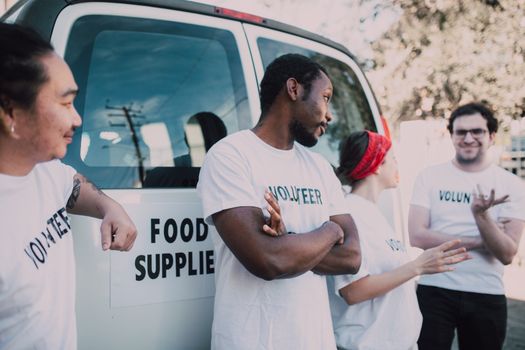 Photo: RDNE Stock project / Pexels
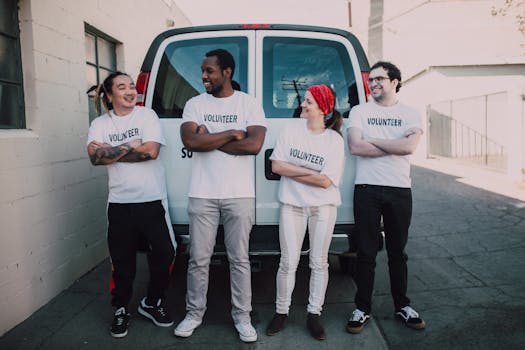 Photo: RDNE Stock project / Pexels
 Photo: RDNE Stock project / Pexels