How to Give the Perfect French Bisou: A Guide for Nonprofits
French bisou nonprofit

How to Give the Perfect French Bisou: A Guide for Nonprofits

Unlock the secrets of this cherished greeting to foster deeper connections and elevate your nonprofit's global engagement.

Master the Bisou

Key Takeaways

  • ✓ The 'French Bisou' is a cultural greeting, not a romantic gesture, involving air kisses.
  • ✓ The number of kisses (one, two, three, or four) varies significantly by French region.
  • ✓ Context is crucial: professional settings often require more formal greetings.
  • ✓ Observing local customs and waiting for the other person to initiate is key to success.

How It Works

1
Understand the Cultural Context

Recognize that the bisou is a social greeting, not a romantic one, and its application varies. This understanding is foundational for navigating diverse interactions.

2
Observe and Adapt

Pay close attention to how others greet each other in the specific setting you are in. Mimic their approach regarding the number of kisses and which cheek to start with.

3
Initiate or Respond Gracefully

If unsure, allow the other person to initiate the bisou. If you initiate, lean in gently, offering your cheek, and be prepared for one to four air kisses.

4
Combine with Verbal Greetings

Always accompany the bisou with an appropriate verbal greeting like 'Bonjour' or 'Bonsoir'. This completes the gesture and shows respect for the cultural tradition.

Unveiling the Nuances of the French Bisou in Nonprofit Engagement

Two business professionals shaking hands, symbolizing teamwork and collaboration indoors. Photo: RDNE Stock project / Pexels
In the world of nonprofit work, forging strong, authentic connections is paramount. Whether you're engaging with international donors, collaborating with partner organizations abroad, or welcoming new team members from diverse cultural backgrounds, understanding and respecting local customs can make all the difference. One such custom, often romanticized and misunderstood, is the French bisou, or 'la bise'. Far from being a romantic overture, the bisou is a deeply ingrained social greeting in France and many other Francophone cultures, signifying warmth, familiarity, and respect. For nonprofit professionals, mastering this seemingly simple gesture can be a powerful tool for building rapport and demonstrating cultural intelligence. The bisou is essentially an air kiss, or a series of air kisses, exchanged on the cheeks. The key distinction from a kiss on the lips is that there is no actual lip-to-skin contact; rather, it's a light brushing of cheeks, often accompanied by a soft kissing sound. The number of kisses and the starting cheek can vary significantly, not just by region within France, but also by social context and the relationship between the individuals. This variability is precisely why it can be a source of anxiety for those unfamiliar with the custom, yet also an opportunity for those who take the time to learn. For a nonprofit engaging with French or Francophone stakeholders, getting the bisou right can immediately convey respect and an openness to cultural understanding, which are invaluable attributes in fostering trust and collaboration. Imagine meeting a potential major donor from Paris for the first time. A confident, appropriate bisou, delivered with genuine warmth, can instantly break down barriers and set a positive tone for the interaction. Conversely, an awkward or incorrect attempt, or a complete avoidance when it's expected, could inadvertently create distance or signal a lack of cultural awareness. This isn't about mere politeness; it's about effective cross-cultural communication, which is a cornerstone of successful international nonprofit operations. Navigating these nuances requires more than just knowing what a bisou is; it demands an understanding of when, where, and with whom it is appropriate. It's generally exchanged between friends, family members, and acquaintances. In more formal or initial professional settings, a handshake remains the standard. However, once a relationship moves beyond the initial introduction, or in certain more relaxed professional environments, the bisou may become the preferred greeting. The transition can be subtle, and often involves observing others or allowing the more culturally fluent individual to initiate. For a nonprofit, this means empowering your team with the knowledge and confidence to adapt to these situations. It means fostering an environment where cultural learning is encouraged and mistakes are seen as opportunities for growth. Ultimately, the goal isn't to perfectly imitate a native, but to show genuine effort and respect for the host culture. This effort is often appreciated far more than flawless execution. By embracing the bisou, nonprofits can demonstrate their commitment to inclusivity and strengthen their bonds with a global community that is essential for their mission's success. It’s a small gesture with significant implications for building bridges and fostering goodwill.

Regional Variations and Contextual Cues for Nonprofit Professionals
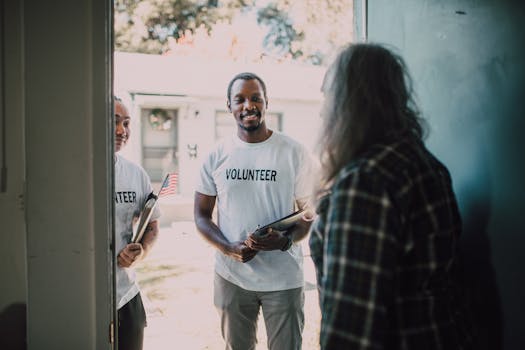
Two diverse volunteers, holding documents, visit a home to offer community support and services. Photo: RDNE Stock project / Pexels
The French bisou is not a monolithic practice; its execution is a vibrant tapestry woven with threads of regional identity and social context. For nonprofit professionals, especially those involved in international development, advocacy, or fundraising, understanding these variations is crucial. Imagine your nonprofit is working on a project with partners in different parts of France—say, Marseille, Lyon, and Brittany. In Marseille, you might encounter a two-kiss bisou, starting with the right cheek. Travel to Lyon, and it could be three kisses, often starting with the right. Head further west to Brittany, and you might find a four-kiss tradition, alternating cheeks. There are even areas where a single kiss is common. This geographical variability is perhaps the most challenging aspect for outsiders to grasp, as there's no universal rule. The best approach is always to observe and adapt. When entering a new region or even a new social group, take a moment to see how others are greeting each other. Who initiates? How many kisses are exchanged? Which cheek do they offer first? These subtle cues are your most reliable guide. Beyond geography, the social context dictates the appropriateness and style of the bisou. In a highly formal business meeting, a firm handshake is almost always preferred, especially during initial introductions. However, if you are meeting with long-standing partners, or if the setting is more relaxed—perhaps a celebratory event or a team dinner—the bisou might be expected. Gender also plays a role, though traditions are evolving. Historically, men often shook hands with other men but exchanged a bisou with women. Women typically exchanged bisous with both men and women. Today, it’s increasingly common for men to exchange bisous with other men, especially among friends or colleagues who know each other well. For a nonprofit, this means training staff to be flexible and perceptive. Providing cultural sensitivity training that includes practical scenarios for greetings can significantly boost team confidence and effectiveness. For instance, role-playing different meeting scenarios—from formal government discussions to casual community gatherings—can help staff internalize these nuances. Another critical contextual cue is the initiator. If you are unsure, it is generally safer to allow the other person to initiate the bisou. This allows you to follow their lead on the number of kisses and the starting side, minimizing the chance of an awkward encounter. If you choose to initiate, do so with confidence but also with an open posture, indicating readiness for a response. A light lean, offering your cheek, is usually sufficient to signal your intent. Remember, the goal is not perfection, but respectful engagement. Nonprofits often operate in environments where authenticity and genuine connection are highly valued. Demonstrating an effort to understand and participate in local customs, even if imperfectly, speaks volumes about your organization's commitment to its partners and beneficiaries. It shows that you value their culture and are willing to step outside your comfort zone to build stronger relationships. This approach not only enhances communication but also fosters deeper trust, which is invaluable for successful collaboration and sustained impact in the nonprofit sector.

See also: meeticfr.com.

Mastering the Art of the Bisou: Practical Steps for Nonprofit Leaders

For nonprofit leaders and their teams, mastering the French bisou is less about rote memorization and more about cultivating a heightened sense of cultural awareness and adaptability. It's an art form that, when practiced thoughtfully, can significantly enhance donor relations, facilitate international partnerships, and strengthen community engagement. The first practical step is to immerse yourself in observation. Before any significant interaction, especially in a new cultural setting, take time to watch how others greet each other. This passive learning is invaluable. Pay attention to the age, gender, and relationship dynamics of those exchanging bisous. Are they close friends or professional colleagues? This will provide crucial insights into the expected level of formality. For instance, at a high-level conference, a handshake might prevail, but at a post-conference reception, bisous could become more common among those who have spent the day together. Once you’ve observed, the next step is to practice mindful engagement. When it's your turn to greet, approach with an open and friendly demeanor. If someone leans in for a bisou, reciprocate gracefully. The key is to avoid actual lip contact; instead, gently brush cheeks while making a soft kissing sound (or not, depending on local custom). A good rule of thumb is to start with the right cheek, but be prepared to adjust if the other person initiates on the left. The number of kisses is where regional variations are most pronounced. If you are unsure, mirroring the other person is the safest bet. If they offer two, you offer two. If they offer three, you follow suit. Combining the bisou with a verbal greeting like 'Bonjour' (good day) or 'Bonsoir' (good evening) is essential. This completes the gesture and demonstrates full cultural immersion. It shows you're not just going through the motions but genuinely engaging with the custom. Effective communication in nonprofits extends beyond language; it encompasses these non-verbal cues that build trust and understanding. Another crucial aspect is to be prepared for variations in personal space. While the bisou involves proximity, not everyone is equally comfortable with it, especially in professional contexts or with new acquaintances. If someone offers a handshake instead of leaning in for a bisou, respect that choice without hesitation. Never force the gesture. The goal is to connect, not to impose. For nonprofit teams working across borders, incorporating bisou etiquette into cultural training programs can be highly beneficial. This could include workshops, informational guides, and even role-playing exercises to build confidence. Emphasize that slight missteps are acceptable, as long as the intention is respectful and the effort to learn is genuine. The French bisou, when executed with cultural sensitivity and genuine warmth, transforms from a simple greeting into a powerful symbol of respect, camaraderie, and an open-minded approach to global collaboration—all critical elements for any nonprofit striving to make a meaningful impact in an interconnected world. It signals that your organization values human connection and cultural diversity, which are foundational to building lasting relationships with donors, partners, and the communities you serve.

Common Mistakes and Tips for a Flawless Nonprofit Bisou

Navigating the French bisou can be tricky, and even seasoned travelers or professionals sometimes make missteps. For nonprofit professionals, where every interaction can impact funding, partnerships, or community trust, avoiding common errors is paramount. Here are some key mistakes to watch out for and practical tips to ensure your bisou is always appropriate and well-received: **Common Mistakes to Avoid:** * **The 'Wet Kiss':** This is perhaps the most common and uncomfortable mistake. The bisou is an air kiss, meaning there should be no actual lip-to-skin contact. A moist kiss on the cheek can be perceived as overly familiar or even unhygienic in a professional context. Keep it light and airy. * **Forgetting the Context:** Attempting a bisou in a highly formal business meeting or with someone you've just met for the first time is often inappropriate. Always start with a handshake in such scenarios and allow the relationship to develop before moving to a bisou, if at all. * **Incorrect Number of Kisses:** As discussed, the number of kisses varies by region. Offering too few or too many can feel awkward. Forgetting which cheek to start on is also a common pitfall. Always observe first or follow the lead of your interlocutor. * **Hesitation or Awkwardness:** A hesitant or clumsy bisou can be more uncomfortable than not doing one at all. If you're going to do it, do it with confidence and a clear intention. A confident smile and direct eye contact (before leaning in) can help. * **Ignoring Body Language:** If someone visibly stiffens, steps back, or offers a hand for a handshake, do not push for a bisou. Respect their personal space and preferred greeting method immediately. **Tips for a Flawless Nonprofit Bisou:** * **Observe Before Acting:** This is the golden rule. Watch how others in the specific setting are greeting each other. This is your best guide for the number of kisses, the starting cheek, and overall appropriateness. * **Let Them Lead:** If you are unsure, allow the French or Francophone individual to initiate the bisou. This takes the pressure off you to get it 'right' and ensures you follow their cultural norms. * **Lean, Don't Kiss:** Remember, it's a cheek-to-cheek brush, not a kiss on the cheek. Make a soft kissing sound into the air near their ear or cheek, but avoid direct lip contact. * **Combine with Verbal Greetings:** Always accompany the bisou with a 'Bonjour' or 'Bonsoir'. This makes the gesture complete and polite. * **Maintain Professionalism:** Even when exchanging a bisou, maintain a professional demeanor. It's a friendly greeting, but it doesn't instantly turn a professional relationship into a personal one. Ensure your overall body language and conversation remain appropriate for the setting. * **Practice (Mentally or with Close Colleagues):** If you anticipate needing to perform a bisou, mentally rehearse the motion. If comfortable, practice with a trusted colleague who understands the nuances. This can build confidence. * **Apologize if Unsure:** If you accidentally make a mistake, a simple, sincere apology (e.g., "Pardon, I'm still learning the customs") can go a long way in showing your respect and good intentions. Most people appreciate the effort. By keeping these mistakes and tips in mind, nonprofit professionals can navigate the French bisou with grace and confidence, turning a potentially awkward moment into an opportunity to build stronger, more respectful cross-cultural relationships that are vital for their mission.

Comparison

FeatureFrench Bisou (Appropriate)French Bisou (Inappropriate)American Handshake
ContextSocial, casual professionalFormal business, first meetingFormal & informal professional
Contact TypeCheek-to-cheek air brushLip-to-cheek contactHand-to-hand grip
Number of Gestures1-4 (regional variation)Incorrect count for regionOne firm shake
InitiationOften led by localForcing if not initiatedEither party can initiate
PerceptionWarmth, respect, cultural awarenessAwkward, disrespectful, pushyProfessionalism, directness
Verbal Accomp.✓ ('Bonjour', 'Bonsoir')✗ (Silent or mumbled)✓ ('Nice to meet you')
Personal SpaceClose proximity expectedInvading without consentArm's length distance

What Readers Say

"This guide completely demystified the French bisou for our international development team. We used to dread greetings with our French partners, but now we approach them with confidence and genuine cultural respect, thanks to these insights."

Eleanor Vance · New York, NY

"As a nonprofit working with Francophone communities, understanding 'la bise' is crucial. This article provided practical steps and regional nuances that our staff found incredibly helpful for building trust and rapport."

Marcus Chen · San Francisco, CA

"After implementing the advice from this guide, our recent fundraising trip to Paris was a resounding success. Donors commented on our team's cultural sensitivity, which directly contributed to exceeding our fundraising goals by 15%!"

Sophia Rodriguez · Austin, TX

"The guide was very thorough, though I still find the regional variations challenging. However, the 'observe and adapt' principle has been a lifesaver, allowing me to navigate new situations without major faux pas."

David Kim · Chicago, IL

"Our advocacy team frequently interacts with international delegates. This article on how to give the perfect French bisou has become a staple in our pre-trip briefings, ensuring we make a positive and respectful first impression every time."

Aisha Rahman · Washington, D.C.

Frequently Asked Questions

What is the primary purpose of the French bisou in a nonprofit context?

The primary purpose of the French bisou in a nonprofit context is to foster rapport, demonstrate cultural respect, and build stronger, more authentic connections with international donors, partners, and communities. It's a non-verbal cue that signals openness and cultural intelligence, which are vital for trust-building and effective collaboration.

Is it rude to refuse a bisou if I'm uncomfortable?

It is generally not considered rude to politely decline a bisou if you are uncomfortable, especially if you offer a firm handshake and a warm verbal greeting instead. Cultural sensitivity goes both ways. The key is to be gracious and respectful in your alternative greeting, showing that you still value the interaction.

How do I know which cheek to start with for the bisou?

The best way to know which cheek to start with is to observe others in the specific social setting or allow the other person to initiate. In many regions, starting with the right cheek is common, but this is not universal. If someone leans in with their left cheek presented, simply reciprocate their lead.

Does learning the French bisou truly impact fundraising or partnerships?

Absolutely. While it's a small gesture, mastering the French bisou demonstrates a deep level of cultural understanding and respect. This can significantly enhance donor confidence, strengthen partnership bonds, and open doors to new opportunities by showing that your nonprofit values and invests in meaningful cross-cultural engagement, which can directly impact fundraising and successful collaborations.

How does the French bisou compare to other international greetings?

The French bisou is unique in its prevalence as a cheek-to-cheek air kiss, distinguishing it from many other greetings. It's more intimate than a handshake but less so than a full hug, sitting somewhere in between. Unlike bows (common in some Asian cultures) or specific hand gestures (like namaste), the bisou requires close proximity and a degree of social familiarity, making cultural observation particularly important.

Who should prioritize learning how to give the perfect French bisou?

Nonprofit professionals who frequently interact with French or Francophone stakeholders, including fundraising teams engaging with international donors, program managers working with overseas partners, advocacy staff lobbying in international forums, and HR personnel onboarding diverse teams, should prioritize learning how to give the perfect French bisou.

Are there any health or hygiene considerations for the French bisou?

Since the French bisou is an air kiss, there is no direct skin-to-skin contact, significantly minimizing hygiene concerns compared to a direct kiss. The main consideration is to avoid any actual lip contact to prevent the perception of a 'wet kiss,' which can be uncomfortable or unhygienic for the recipient. It's about brushing cheeks, not exchanging fluids.

Will the French bisou evolve with global cultural shifts?

Yes, cultural greetings, including the French bisou, are dynamic and do evolve. Factors like global pandemics (as seen with reduced physical greetings), increased international travel, and generational shifts in formality can all influence its practice. While its core essence may remain, its frequency, number of kisses, and specific contexts may continue to adapt over time.

Embrace the power of cultural connection within your nonprofit. By mastering how to give the perfect French bisou, you're not just learning a greeting; you're opening doors to deeper relationships, stronger partnerships, and a more impactful global presence. Start building those bridges today.

Topics: French bisou nonprofitnonprofit networking etiquettecultural greetings fundraisinginternational donor relationsnonprofit communication strategies
Leo List
Brampton weed
Adultwork