

Find Local Nonprofits to Support: Your Community Impact Guide
find local nonprofits to support

Find Local Nonprofits to Support: Your Community Impact Guide

Hands exchanging a donation box filled with items, symbolizing giving and community support.Photo: AI25.Studio Studio / Pexels

Find Local Nonprofits to Support: Your Community Impact Guide

Connect with impactful local causes and strengthen your community through meaningful engagement.

Start Your Search

Key Takeaways

  • ✓ Over 1.5 million nonprofit organizations operate in the US.
  • ✓ Local nonprofits often address specific, immediate community needs.
  • ✓ Volunteering time can be as impactful as financial donations.
  • ✓ 95% of US households give to charity, with an average donation of $2,514 annually.

How It Works

1
Define Your Passions

Identify the causes you care about most, such as education, environment, health, or animal welfare. This focus will guide your search and make it more meaningful.

2
Utilize Search Tools

Employ online databases, local government resources, and community calendars to discover organizations near you. Be specific with your search terms to narrow results effectively.

3
Vet Organizations Thoroughly

Research their mission, financial transparency, and impact reports to ensure legitimacy and alignment with your values. Look for reviews and third-party ratings.

4
Engage and Support

Reach out to chosen nonprofits to inquire about volunteer opportunities, donation methods, or partnership possibilities. Your active involvement is key to their success.

Understanding the Power of Local Charitable Giving
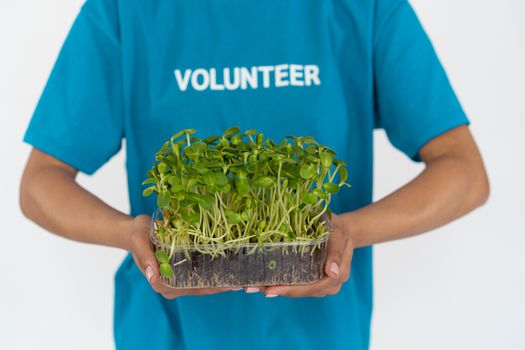
A person wearing a volunteer shirt holds young green plants, symbolizing environmental conservation and planting efforts.Photo: Mikhail Nilov / Pexels
In an increasingly globalized world, the importance of local action often gets overshadowed. However, when you find local nonprofits to support, you're investing directly into the fabric of your own community, addressing needs that are often immediate, specific, and deeply personal to your neighbors. Unlike large national or international organizations, local charities typically have a profound understanding of the unique challenges and opportunities within their immediate geographic area. They are on the ground, witnessing the day-to-day realities, and can often respond with greater agility and direct impact. Consider the ripple effect of your contributions. When you donate to a local food bank, you're not just providing a meal; you're helping a family in your town avoid hunger, allowing a child to focus better in school, and reducing stress for parents struggling to make ends meet. Supporting a local animal shelter means providing care for homeless pets right in your city, reducing euthanasia rates, and facilitating adoptions within the community. These are tangible, visible outcomes that you can often witness firsthand, fostering a deeper sense of connection and fulfillment in your giving. Furthermore, local nonprofits are often significant employers and economic contributors within their communities. They create jobs, purchase goods and services from local businesses, and bring grant funding into the area. Your support, therefore, extends beyond their direct mission, positively influencing the local economy. They build social capital, bringing people together through volunteer opportunities, community events, and advocacy, strengthening the collective spirit and resilience of the region. This localized approach ensures that resources are allocated efficiently to where they are most needed, rather than being diffused across a vast operational network. The transparency and accountability of local organizations can also be more accessible, allowing donors to see precisely how their contributions are being utilized and the direct results of their generosity. This close-knit relationship between donor and recipient fosters trust and encourages sustained engagement, building a virtuous cycle of support and community upliftment. It's about building a stronger, more vibrant place to live for everyone, starting right at your doorstep. Engaging with these organizations allows for a direct line of sight into the impact of your contributions, making the act of giving incredibly rewarding and personal. This direct connection often translates into higher donor satisfaction and a greater sense of purpose.

Navigating the Search: How to Effectively Find Local Charities

Individual typing on a laptop outdoors with snow, accessing the internet.Photo: Firmbee.com / Pexels
The journey to find local nonprofits to support begins with a clear strategy. With millions of organizations across the U.S., knowing where to look and what to look for is crucial. Start by identifying your passions. What issues stir your heart? Is it environmental conservation, youth mentorship, supporting veterans, or perhaps aiding the homeless? Once you pinpoint your core interests, your search becomes much more focused and manageable. This initial self-reflection is perhaps the most important step, as it ensures your charitable efforts align with your personal values, leading to a more fulfilling experience. Next, leverage online search engines with specific keywords. Instead of just 'nonprofits,' try 'animal shelters [your city/state],' 'food banks near me,' or 'environmental groups [your county].' This specificity will yield more relevant results. Beyond general search engines, several dedicated platforms and databases specialize in listing and vetting nonprofits. Websites like Charity Navigator, GuideStar (now Candid), and CharityWatch provide extensive profiles, financial data, and impact ratings for thousands of organizations. While these often include national charities, you can usually filter by location to find local chapters or independent community-based groups. Don't overlook smaller, lesser-known but highly impactful local organizations that might not have a strong online presence. Community-specific resources are invaluable. Check your local government website for a list of registered nonprofits or community service organizations. Local libraries often have directories or can point you to relevant resources. Community centers, faith-based organizations, and even local newspapers (especially their online event calendars or community sections) can highlight groups doing important work in your area. Attending local charity fairs, farmers' markets, or community events can also put you in direct contact with various organizations and their representatives, allowing you to learn about their work firsthand and ask questions. Networking within your community, talking to friends, family, and colleagues, can also uncover hidden gems – organizations that may be small but have a profound impact. These personal recommendations often come with a level of trust and insight that online searches might not provide. Remember, the goal is not just to find any nonprofit, but to find the right nonprofit that resonates with you and effectively serves your community's needs.

Vetting and Verifying: Ensuring Your Support Makes a Difference

A business workspace setup featuring documents, coffee, and financial elements.Photo: Vlad Deep / Pexels
Once you begin to find local nonprofits to support, the next critical step is thorough vetting. Not all organizations are created equal, and ensuring your time or money is used effectively and ethically is paramount. The first area to scrutinize is their mission and programs. Does their stated mission clearly articulate the problem they aim to solve and how they plan to achieve it? Are their programs well-defined, and do they align with your understanding of the community's needs? Look for concrete examples of their work and the impact they've had. A reputable nonprofit will be transparent about its activities and eager to share its successes. Financial transparency is another cornerstone of a trustworthy organization. Utilize resources like GuideStar (Candid) and Charity Navigator, which provide access to nonprofits' IRS Form 990s. This form offers a detailed look at their revenues, expenses, assets, and liabilities. Pay attention to how much of their budget goes towards program services versus administrative and fundraising costs. While a perfect ratio doesn't exist, a significant portion of funds should ideally be directed towards their mission-driven activities. Be wary of organizations with extremely high overheads or those that are not forthcoming with their financial information. Their annual reports, often available on their websites, should also provide a clear financial overview and highlight their achievements. Beyond financials, investigate their governance and leadership. Who sits on their board of directors? Do they have diverse expertise and a commitment to the organization's mission? High turnover in leadership can sometimes be a red flag. Look for evidence of strong leadership and responsible oversight. Furthermore, seek out testimonials, reviews, and news articles about the organization. What do beneficiaries, volunteers, and community members say about their experience? Are there any red flags or consistent complaints? A strong, positive reputation within the community is a good indicator of their effectiveness and integrity. Don't hesitate to contact the organization directly with questions. A reputable nonprofit will welcome your inquiries and be able to provide clear, concise answers about their work, their impact, and how your support will contribute. This due diligence ensures your generosity translates into genuine, positive change.

Maximizing Your Impact: Tips for Effective Giving and Volunteering

Group of diverse volunteers smiling while sorting clothes at a charity donation center.Photo: Julia M Cameron / Pexels
After you successfully find local nonprofits to support, the final step is to engage in a way that maximizes your impact. It's not just about giving; it's about giving strategically and meaningfully. Here are some tips to ensure your contributions make the biggest difference: * **Align with Your Skills:** If you have professional skills like marketing, accounting, legal expertise, or web design, offer them pro bono. Many small nonprofits desperately need these services but can't afford them. Your specialized skills can provide an invaluable boost to their operational capacity. * **Consider Long-Term Engagement:** Rather than one-off donations or volunteer stints, consider committing to a regular schedule. Monthly donations, even small ones, provide predictable income for nonprofits. Regular volunteering allows you to become an integral part of their team, building expertise and relationships. * **Advocate for the Cause:** Beyond direct support, use your voice. Share the nonprofit's mission and needs with your social networks, encourage others to get involved, or participate in their advocacy campaigns. Raising awareness is a powerful form of support. * **Understand Their Greatest Needs:** Sometimes, cash donations are preferred because they offer flexibility. Other times, specific in-kind donations (like professional equipment, office supplies, or even specific food items for a pantry) might be more critical. Ask the organization what they truly need most before making assumptions. * **Attend Events and Fundraisers:** Participating in their events is a dual benefit: you contribute financially, and you help raise their profile in the community. It's also a great way to meet other supporters and learn more about their work. * **Provide Feedback (Constructively):** If you're a volunteer or donor, offer constructive feedback based on your experiences. Nonprofits are constantly striving to improve, and external perspectives can be very valuable. * **Avoid Common Mistakes:** * **Giving without Research:** Don't donate impulsively without verifying the organization's legitimacy and impact. * **Assuming All Nonprofits are the Same:** Each has a unique mission, operational style, and needs. * **Ignoring Small Nonprofits:** Smaller organizations often have limited resources but make a profound difference with every contribution. * **Only Donating Money:** Time, skills, and advocacy are equally vital. * **Expecting Immediate Recognition:** Focus on the impact, not just the acknowledgment. While recognition is nice, the primary goal is to help the cause. By being thoughtful and intentional in how you engage, you can ensure your support creates lasting, positive change in your community.

Comparison

FeatureDirect Local GivingLarge National CharityCrowdfunding PlatformCorporate Giving Program
Direct Impact VisibilityHighMediumVariableLow
Community SpecificityHighLowVariableMedium
Overhead CostsTypically LowerHigherMediumVariable
Personal ConnectionStrongWeakMediumWeak
Ease of VettingMedium (requires research)Easy (established)Difficult (individual campaigns)Easy (vetted by corp)

What Our Readers Say

5 ★★★★★

"It was so rewarding to find local nonprofits to support through this guide. I connected with a local youth mentorship program that desperately needed volunteers, and now I spend two evenings a week helping kids with homework. The impact is immediate and visible, and I feel so much more connected to my community."

5 ★★★★★

"I used to just donate to big names, but learning how to find local nonprofits to support truly changed my perspective. I found a small environmental group cleaning up our local parks, and my monthly donation goes directly to buying supplies. Knowing my money stays right here makes a huge difference."

5 ★★★★★

"This article gave me the tools to properly vet organizations. I was able to find local nonprofits to support that are incredibly transparent with their finances, and I've seen their impact reports firsthand. It's empowering to know my contributions are genuinely making a difference in the lives of local families."

4 ★★★★☆

"The guide was very helpful in showing me how to find local nonprofits to support. I appreciated the emphasis on aligning with personal passions. While some of the vetting felt a bit overwhelming initially, the resources provided made it manageable. I've now become a regular volunteer at our local animal shelter."

5 ★★★★★

"As a busy professional, I thought I didn't have time to find local nonprofits to support. But this guide broke it down into easy steps. I now offer my marketing skills pro bono to a local arts education group, and it's incredibly fulfilling to see their reach grow because of my efforts."

Frequently Asked Questions

What are the best resources to find local nonprofits to support?
The best resources include online databases like Charity Navigator and GuideStar (Candid), local government websites, community calendars, and local news outlets. Don't forget to ask friends and family for recommendations, as word-of-mouth can often lead you to smaller, highly impactful community groups.
How can I be sure a local nonprofit is legitimate and effective?
To ensure legitimacy, verify their 501(c)(3) status with the IRS. For effectiveness, review their mission, programs, and financial transparency via their annual reports and Form 990s on sites like Charity Navigator. Look for clear impact reports and positive community reputation.
What's the difference between donating money and volunteering time?
Both are crucial. Donating money provides financial stability and flexibility for nonprofits to fund their operations and programs. Volunteering time offers direct hands-on support, fills staffing gaps, and contributes specialized skills, often creating a deeper personal connection to the cause. The 'best' method depends on your personal capacity and the nonprofit's specific needs.
Is it better to support a large national charity or a small local one?
It depends on your goals. Large national charities often have broad reach and specialized expertise, but sometimes higher overhead. Small local charities typically have a deeper understanding of specific community needs, more direct impact visibility, and often lower administrative costs, making your support feel more tangible. This article focuses on the benefits of local support.
Can I donate items instead of money or time to local nonprofits?
Yes, many local nonprofits welcome in-kind donations, but it's essential to check their specific needs first. For example, food banks need non-perishable items, animal shelters need pet supplies, and homeless shelters often need clothing or toiletries. Always contact the organization directly to confirm what they accept and what is most helpful to avoid overwhelming them with unneeded items.
Who should prioritize looking to find local nonprofits to support?
Anyone looking to make a direct, tangible impact in their immediate environment should prioritize finding local nonprofits. This includes individuals who want to see the direct results of their generosity, those passionate about specific community issues, or people seeking volunteer opportunities close to home. It's ideal for fostering a strong sense of community engagement.
What are the risks of not properly vetting a local nonprofit?
The risks include your donations or time being misused, going to an organization with high administrative costs and low program impact, or even falling victim to fraudulent charities. Proper vetting ensures your resources genuinely contribute to the cause you intend to support and helps prevent disillusionment with charitable giving.
How will technology impact how we find local nonprofits to support in the future?
Future trends will likely include more sophisticated AI-powered matching platforms that connect donors/volunteers with highly specific local needs, increased use of blockchain for donation transparency, and hyper-local social media groups dedicated to community support. Virtual volunteering opportunities will also expand, making engagement more accessible.

Ready to make a tangible difference right in your own backyard? Use this comprehensive guide to find local nonprofits to support, connect with causes that resonate with you, and become an active participant in building a stronger, more vibrant community. Your local impact starts now.

Topics: find local nonprofits to supportsupport local charitiescommunity givingvolunteer locallynonprofit search US
Leo List
Brampton weed
Adultwork