
How to Donate to Environmental Nonprofits US Effectively
Empower impactful change for our planet by making informed donations to leading environmental organizations.
Find Your CauseKey Takeaways
- ✓ Over 75% of Americans are concerned about the environment.
- ✓ Environmental nonprofits address issues from climate change to biodiversity loss.
- ✓ Strategic giving can multiply your impact on conservation.
- ✓ Researching an organization's financial transparency is crucial.
How It Works
Determine which environmental issues resonate most with you, such as climate, wildlife, or clean water. This focus will guide your search for relevant organizations.
Utilize reputable charity evaluators like Charity Navigator or GuideStar to assess financial health, transparency, and program effectiveness. Look for organizations with a proven track record.
Decide how you want to contribute, whether through one-time gifts, recurring donations, stock transfers, or planned giving. Many organizations offer various ways to support their mission.
After donating, follow the organization's work and reports to see the difference your contribution makes. Share their mission to inspire others to join the cause.
Understanding the Urgency: Why Donate to Environmental Nonprofits US?
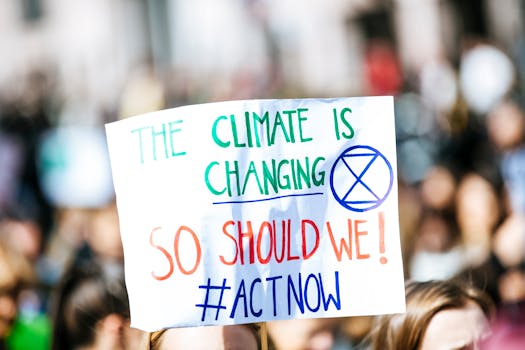 Photo: Markus Spiske / Pexels
Navigating the Landscape: How to Choose the Right Environmental Nonprofit
Maximizing Your Impact: Strategic Giving to Environmental Causes
Common Pitfalls to Avoid When Donating to Environmental Causes
- Ignoring Due Diligence: The most significant mistake is donating without proper research. It's easy to be swayed by emotional appeals or compelling stories, but a lack of vetting can lead to supporting organizations that are inefficient, lack transparency, or even engage in questionable practices. Always check independent charity evaluators like Charity Navigator, GuideStar, or CharityWatch to understand an organization's financial health, governance, and program effectiveness. Look for red flags such as very low percentages of funds going to programs, excessive administrative costs, or a lack of public annual reports.
- Focusing Solely on Overhead Ratios: While an organization's overhead ratio (the percentage of funds spent on administrative and fundraising costs) is important, it shouldn't be the sole criterion. A very low overhead ratio might indicate underinvestment in essential infrastructure, staff development, or fundraising, which can hinder long-term effectiveness. A healthy organization often needs to invest in these areas to achieve its mission. Look for a balance, and consider the 'why' behind the numbers.
- Falling for 'Greenwashing': Some organizations may present themselves as environmentally friendly without genuinely engaging in impactful work. This 'greenwashing' can mislead donors into supporting groups that have minimal real-world environmental benefits or even operate as fronts for other interests. Research their specific programs, partnerships, and measurable outcomes rather than just their marketing claims.
- Ignoring Local vs. Global Impact: While large, international environmental organizations do vital work, don't overlook the impact of smaller, local nonprofits. Sometimes, smaller groups have a more direct and immediate impact on specific ecosystems or communities that are close to your heart. Balance your giving between global and local efforts, depending on your priorities.
- Donating to Unsolicited Requests: Be wary of unsolicited phone calls, emails, or mailings from unknown environmental groups. Scammers often prey on people's generosity. Always initiate contact with an organization you've researched, and never provide personal financial information to unverified sources.
- Failing to Understand the Mission: Ensure you genuinely understand what the organization aims to achieve and how they plan to do it. Some groups focus on policy, others on direct conservation, and some on education. If their mission isn't clear or doesn't align with your goals, your donation might not feel as impactful.
- Overlooking Non-Financial Contributions: While monetary donations are crucial, many environmental nonprofits also thrive on volunteer efforts, advocacy, and spreading awareness. Don't underestimate the power of your time or voice in supporting a cause you believe in.
Comparison
| Feature | The Nature Conservancy | Environmental Defense Fund | Sierra Club |
|---|---|---|---|
| Primary Focus | Land & Water Conservation | Climate & Policy Advocacy | Grassroots Advocacy & Outdoors |
| Geographic Scope | Global (Strong US Presence) | Global (Strong US Presence) | US-focused |
| Charity Navigator Rating | 4 Stars | 4 Stars | 3 Stars |
| Program % | 80-85% | 80-85% | 70-75% |
| Approach | Science-based, market solutions | Economic solutions, policy | Lobbying, legal, grassroots organizing |
| Volunteer Opportunities | ✓ | ✗ | ✓ |
What Readers Say
"I wanted to donate to environmental nonprofits US but felt overwhelmed. This guide helped me find a transparent organization focused on local forest preservation, aligning perfectly with my values. My recurring donation feels so impactful."
Sarah J. · Portland, OR"The advice on vetting charities was invaluable. I used Charity Navigator to compare several options before choosing one dedicated to clean water initiatives. It's reassuring to know my contribution is going to a well-managed cause."
David M. · Austin, TX"After reading about strategic giving, I decided to donate appreciated stock to an environmental protection fund. The process was smooth, and I know my larger contribution will make a significant difference to protect our coasts."
Maria P. · Miami, FL"This article was very helpful in narrowing down my options. I appreciated the emphasis on understanding the nonprofit's specific mission. While some parts were dense, the core message about informed giving was clear and actionable."
Ethan L. · Denver, CO"As someone passionate about urban green spaces, I struggled to find the right organization. This guide's tips on local versus global impact led me to a fantastic city-based conservation group. It's great to see my donation directly improving my community."
Jessica R. · Chicago, ILFrequently Asked Questions
What are the most reputable organizations to donate to environmental nonprofits US?
Reputable organizations are typically those with high ratings from independent charity evaluators like Charity Navigator (4-star rating), GuideStar (Platinum Seal of Transparency), and CharityWatch (A or B+ rating). Examples often include The Nature Conservancy, Environmental Defense Fund, and Natural Resources Defense Council, but it's always best to check their current standing and specific program focus against your interests.
How can I ensure my donation to an environmental nonprofit is used effectively?
To ensure effective use, research the organization's program expenses versus administrative costs, look for clear reporting on their achievements and impact, and verify their financial transparency through independent evaluators. A strong track record of measurable outcomes and a clear mission aligned with your goals are key indicators of effective use.
What are the different ways I can donate to environmental nonprofits in the US?
You can donate in various ways: one-time cash gifts, recurring monthly or annual donations, donating appreciated stock or securities, making qualified charitable distributions (QCDs) from an IRA if you're over 70 ½, or planned giving through wills and trusts. Each method can offer different tax benefits and levels of impact.
Is it better to donate to large, well-known environmental organizations or smaller, local ones?
Both large and small organizations have their merits. Large organizations often have broader reach, significant lobbying power, and extensive scientific resources. Smaller, local groups can have a more direct and immediate impact on specific communities or ecosystems, with lower overheads and closer ties to local issues. The 'best' choice depends on your personal priorities and where you feel your contribution can make the most difference.
How do environmental nonprofits combat climate change?
Environmental nonprofits combat climate change through diverse strategies. This includes advocating for policy changes (e.g., carbon pricing, renewable energy mandates), supporting scientific research and technological innovation, engaging in direct conservation (e.g., reforestation, wetland restoration for carbon sequestration), educating the public, and promoting sustainable practices in industry and agriculture. Their efforts collectively aim to reduce greenhouse gas emissions and build climate resilience.
Who should donate to environmental nonprofits US?
Anyone concerned about the health of our planet, climate change, biodiversity loss, or the sustainability of natural resources should consider donating to environmental nonprofits in the US. This includes individuals, families, businesses, and foundations looking to make a tangible difference in protecting and restoring the environment for current and future generations.
Are there tax benefits for donating to environmental nonprofits in the US?
Yes, donations to qualified 501(c)(3) environmental nonprofits in the US are generally tax-deductible. The specific benefits depend on your tax situation, the type of donation (cash vs. appreciated assets), and current tax laws. It's always advisable to consult with a tax professional to understand how your specific donation might affect your tax liability.
What are the emerging trends in environmental philanthropy?
Emerging trends include a growing focus on climate justice and equity, increased investment in nature-based solutions (e.g., regenerative agriculture, blue carbon initiatives), greater emphasis on data-driven conservation and technological innovation, and a rise in impact investing and blended finance models that combine philanthropic capital with other investments to achieve environmental goals.
Your commitment to a healthier planet can start today. By choosing to donate to environmental nonprofits US, you empower organizations that are on the front lines of conservation, climate action, and sustainability. Make an informed decision, contribute with confidence, and become a vital part of the solution for our shared future.