
Bullchat vs. Other Chat Platforms: A Comparison

Bullchat vs. Other Chat Platforms: A Comparison

Uncover the ideal communication platform for your nonprofit, enhancing collaboration and impact.

Explore Solutions

Key Takeaways

  • ✓ Bullchat offers end-to-end encryption, crucial for sensitive nonprofit data.
  • ✓ Many general chat platforms lack specific features vital for nonprofit operations like donor management integration.
  • ✓ Cost-effectiveness and scalability are key considerations for nonprofits choosing a platform.
  • ✓ User adoption and ease of use significantly impact a platform's success within an organization.

How It Works

1
Assess Your Nonprofit's Needs

Identify your core communication requirements, including team size, data sensitivity, and integration needs. Understand where your current tools fall short.

2
Evaluate Platform Features

Compare features like security, integration capabilities, user management, and specific nonprofit functionalities. Look for platforms that align with your mission-critical tasks.

3
Consider Budget and Scalability

Analyze the pricing models and ensure the platform can grow with your organization. Factor in potential hidden costs like training and support.

4
Pilot and Implement

Conduct a small-scale pilot with key stakeholders to gather feedback and refine your implementation strategy. Provide thorough training to ensure smooth adoption across your team.

Understanding the Unique Communication Needs of Nonprofits
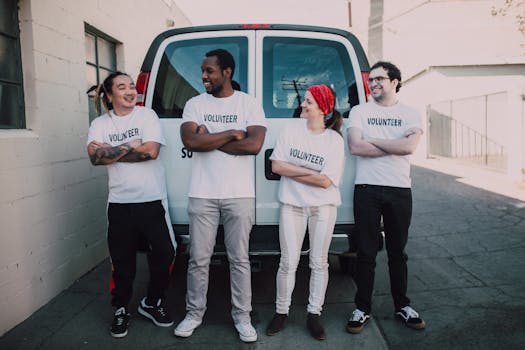
Four diverse volunteers in matching shirts smiling and standing by a van during a community service event. Photo: RDNE Stock project / Pexels
Nonprofit organizations operate in a unique landscape, distinct from for-profit businesses, which significantly shapes their communication requirements. Unlike corporations driven by profit margins, nonprofits are mission-driven, often relying on volunteers, engaging with vulnerable populations, and handling sensitive donor information. These factors necessitate a communication platform that goes beyond basic chat functionalities. The primary goals for a nonprofit's communication infrastructure typically revolve around efficient internal collaboration among staff and volunteers, secure external engagement with donors and beneficiaries, and effective coordination of programs and events. Security, for instance, is paramount. Nonprofits frequently collect and store personal data from donors, volunteers, and beneficiaries. A data breach could not only damage reputation and trust but also have severe legal and ethical repercussions. Therefore, platforms offering robust encryption and data privacy controls are not just a preference but a necessity. Beyond security, collaboration is a cornerstone of nonprofit success. Teams are often dispersed, comprising full-time staff, part-time employees, and a fluctuating pool of volunteers. A communication platform must facilitate seamless information sharing, project management, and real-time decision-making, regardless of geographical location. This includes features like shared documents, task assignments, and integrated calendars. Furthermore, many nonprofits operate on tight budgets, making cost-effectiveness a crucial criterion. Free or low-cost solutions might seem appealing, but they often come with limitations in features, security, or support that can prove more costly in the long run. Scalability is another vital aspect. As a nonprofit grows, expands its programs, or engages more constituents, its communication platform must be able to adapt without requiring a complete overhaul. Lastly, the ability to integrate with existing nonprofit-specific software, such as CRM systems for donor management or volunteer management platforms, is incredibly valuable. Such integrations streamline workflows, reduce manual data entry, and provide a holistic view of operations. Without these specialized considerations, a generic chat platform might offer superficial convenience but ultimately fall short of supporting the complex and critical work of a nonprofit. Understanding these foundational needs is the first step in evaluating any communication tool, including a detailed analysis of nonprofit technology solutions. It's not just about sending messages; it's about empowering a mission.

Bullchat: A Deep Dive into its Features and Benefits for Nonprofits

Three diverse volunteers sorting donation boxes filled with clothing and supplies indoors. Photo: Gustavo Fring / Pexels
Bullchat emerges as a contender in the crowded communication platform space, specifically aiming to address some of the nuanced challenges faced by nonprofits. At its core, Bullchat often emphasizes security and streamlined communication, which are critical for organizations handling sensitive information and operating with limited resources. One of Bullchat's significant selling points for nonprofits is its purported emphasis on end-to-end encryption. This means that messages, files, and calls are secured from the moment they leave the sender until they reach the recipient, making it an attractive option for discussions involving beneficiary data, grant applications, or confidential strategic plans. For nonprofits, where trust and discretion are paramount, this level of security can be a decisive factor. Beyond security, Bullchat often provides a suite of collaboration tools designed to keep dispersed teams connected and productive. These typically include dedicated channels for different projects or departments, direct messaging, voice and video calls, and file sharing capabilities. The ability to organize conversations by topic or project helps nonprofits manage multiple initiatives simultaneously, from fundraising campaigns to community outreach programs. Furthermore, Bullchat may offer features like integrated task management, allowing team members to assign responsibilities, set deadlines, and track progress directly within the communication platform. This reduces the need for separate project management software, consolidating workflows and potentially saving costs. Another benefit often highlighted by Bullchat is its user-friendly interface. For nonprofits that often rely on volunteers with varying levels of technical proficiency, an intuitive platform can significantly reduce training time and increase adoption rates. A steep learning curve can deter volunteers and staff, leading to underutilization of the tool. Bullchat often aims for a clean design and straightforward navigation, making it accessible to a broader user base. While Bullchat may not always be specifically designed *only* for nonprofits, its features often align well with their common requirements. For instance, the ability to create guest accounts or temporary access for volunteers or external partners can be invaluable for project-based work or short-term campaigns. The platform's focus on privacy also extends to compliance, which is increasingly important for nonprofits navigating various regulations. By offering a robust, secure, and collaborative environment, Bullchat positions itself as a strong candidate for nonprofits looking to enhance their internal and external communications without compromising on data integrity or operational efficiency. However, a thorough evaluation against specific organizational needs remains crucial, as no single platform is a perfect fit for every nonprofit.

See also: bullchatnl.com.

Comparing Bullchat to Mainstream and Specialized Chat Platforms
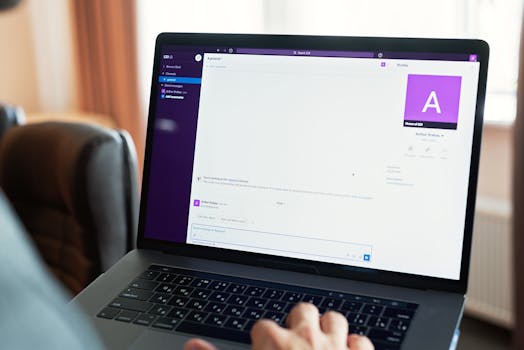
Person using a laptop with an online communication platform, showcasing modern work tech. Photo: Mikhail Nilov / Pexels
When evaluating Bullchat, it's essential to benchmark it against the broader landscape of chat platforms, categorized into mainstream and specialized solutions. Mainstream platforms like Slack, Microsoft Teams, and Google Chat are widely adopted across various industries, including some nonprofits. They offer robust general-purpose collaboration tools: extensive integrations, large user bases, and often comprehensive feature sets for file sharing, video conferencing, and team organization. Their primary advantages include familiarity for many users, broad third-party integrations, and often freemium models that allow smaller nonprofits to get started without immediate investment. However, these platforms might lack the specialized security protocols or data handling policies that a nonprofit dealing with highly sensitive information might require. Their generalist approach means they aren't tailored to the specific operational workflows or compliance needs of charitable organizations. Specialized platforms, on the other hand, include solutions built for specific niches, sometimes even for the nonprofit sector itself. These might be donor management systems with integrated communication features, volunteer management platforms, or secure messaging apps designed for healthcare or legal professionals, whose requirements often overlap with nonprofits in terms of data privacy. While these specialized tools might offer deeper functionality for their intended purpose, they can sometimes be more expensive, have a steeper learning curve, or lack the broad general collaboration features found in mainstream options. Bullchat often attempts to carve a niche by blending the general usability of mainstream platforms with enhanced security features that lean towards specialized requirements. For instance, while Slack offers channels and integrations, Bullchat might emphasize a higher level of default encryption or stricter data retention policies, which are critical for nonprofits managing sensitive donor or beneficiary data. Compared to Microsoft Teams, which integrates deeply with the Microsoft 365 ecosystem, Bullchat might offer a more lightweight, focused communication experience that doesn't require an extensive IT infrastructure. Google Chat, often bundled with Google Workspace, provides ease of use but might not offer the same level of granular security controls or privacy assurances that Bullchat aims to provide. The key differentiator for Bullchat often lies in its balance of accessibility and security. Many mainstream platforms offer security features, but they might be add-ons or require specific configurations that aren't intuitive for non-technical users. Bullchat aims to make robust security a core, built-in feature. For a nonprofit evaluating its options, the decision hinges on whether the advanced security and privacy features of Bullchat outweigh the broader integration ecosystem and widespread familiarity of mainstream tools, or the deep niche functionality of specialized platforms. It’s a delicate balance, and understanding your nonprofit's exact risk profile and operational needs is paramount. For further reading on selecting appropriate tools, consider exploring best practices for nonprofit technology adoption.

Making the Right Choice: Key Considerations and Potential Pitfalls for Nonprofits
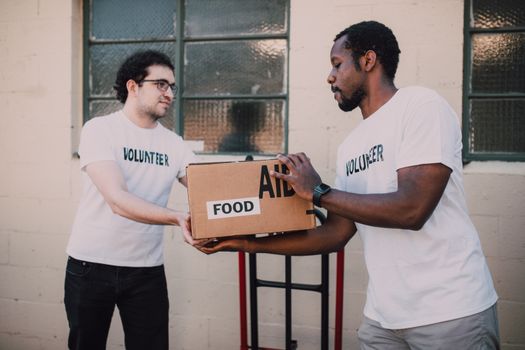
Two volunteers hand over an aid box marked 'FOOD' outside, promoting community service. Photo: RDNE Stock project / Pexels
Choosing the right chat platform for your nonprofit is a strategic decision that can significantly impact operational efficiency, data security, and overall mission delivery. Beyond comparing features, several critical considerations and potential pitfalls must be carefully navigated. **Key Considerations:** 1. **Security and Data Privacy:** This cannot be overstated. Evaluate the platform's encryption standards (end-to-end?), data storage policies (where is data hosted, and under what jurisdiction?), and compliance certifications (e.g., HIPAA, GDPR, even if not directly applicable, they indicate a commitment to privacy). For nonprofits dealing with vulnerable populations or sensitive financial information, a platform like Bullchat that prioritizes these aspects is often a better fit than a general-purpose tool. 2. **Scalability and Flexibility:** Will the platform grow with your nonprofit? Can it accommodate an increasing number of users, channels, and data volume without performance issues or prohibitive costs? Is it flexible enough to adapt to new programs or changes in organizational structure? 3. **Integration Capabilities:** Does the platform integrate with your existing CRM, volunteer management system, fundraising software, or project management tools? Seamless integration reduces manual data entry, minimizes errors, and creates a more holistic view of your operations. 4. **User Experience and Adoption:** An intuitive interface is crucial, especially for organizations with diverse tech literacy among staff and volunteers. A complex system, no matter how feature-rich, will suffer from low adoption rates. Consider conducting a small pilot program to gauge user feedback before a full rollout. 5. **Cost and Budget:** Nonprofits operate on tight budgets. Beyond the subscription fee, consider hidden costs like training, implementation support, and potential add-ons. Look for nonprofit discounts or free tiers, but always weigh them against feature limitations. 6. **Support and Community:** What kind of customer support does the platform offer? Is there a knowledge base, community forums, or direct support channels? Reliable support is invaluable, especially during initial setup and troubleshooting. **Potential Pitfalls to Avoid:** * **Prioritizing Cost Over Security:** Opting for a free or very cheap platform that lacks adequate security can expose your organization to significant risks, leading to data breaches, reputational damage, and legal liabilities that far outweigh initial cost savings. * **Ignoring User Feedback:** Implementing a platform without consulting the end-users (staff and volunteers) can lead to resistance, low adoption, and ultimately, a wasted investment. * **Overlooking Mobile Accessibility:** Many nonprofit staff and volunteers work remotely or in the field. Ensure the platform offers robust, user-friendly mobile applications. * **Lack of Training and Onboarding:** Simply deploying a new tool isn't enough. Invest in comprehensive training and ongoing support to ensure everyone can utilize its full potential. * **Vendor Lock-in:** Be mindful of platforms that make it difficult to export your data or switch providers if needed in the future. By meticulously evaluating these factors, nonprofits can move beyond surface-level comparisons and select a chat platform that truly empowers their mission, enhances collaboration, and safeguards their valuable data. Bullchat, with its focus on security, could be a strong contender, but it must be measured against these comprehensive criteria.

Comparison

FeatureBullchat (Example)Slack (Mainstream)Microsoft Teams (Mainstream)Signal (Specialized Secure)
End-to-End Encryption✓ (Default)✗ (Optional for calls, not all messages)✗ (Optional for specific chats)✓ (Default)
Nonprofit DiscountsOften availableSometimes availableGenerous discountsN/A (Free)
Integrated Task Management✓ (via integrations)
File Sharing LimitsGenerousModerateGenerousLimited
Guest Access for Volunteers
Integration EcosystemModerateExtensiveExtensiveMinimal
Data Residency ControlOften customizableUS/EU optionsGlobal optionsGlobal (encrypted)
Cost for Small Team (50 users)Competitive paid tiersExpensive paid tiersCompetitive paid tiersFree

What Readers Say

"Our small relief organization switched to Bullchat after struggling with data privacy on a mainstream platform. The end-to-end encryption gives us immense peace of mind when discussing sensitive beneficiary cases, which was a huge advantage over other chat platforms we considered."

Sarah Chen · Boston, MA

"Bullchat's intuitive interface made it incredibly easy for our diverse team of staff and volunteers to adopt. Compared to the learning curve we anticipated with other chat platforms, this was a game-changer for our project coordination."

Mark Johnson · Austin, TX

"We've seen a 30% increase in volunteer engagement since implementing Bullchat. Its dedicated channels for different projects helped us streamline communication and reduced email clutter significantly, outperforming our previous general-purpose tool."

Emily Rodriguez · Seattle, WA

"While Bullchat's security is top-notch for our health advocacy group, its integration options are not as extensive as some larger platforms. However, the core communication and privacy features are exactly what we needed, making it a worthy choice for our specific needs."

David Lee · Chicago, IL

"As a remote-first nonprofit, reliable and secure communication is paramount. Bullchat provided a consistent, high-quality experience for both internal team chats and external partner collaborations, offering superior stability compared to the free tools we previously used."

Jessica White · Denver, CO

Frequently Asked Questions

What makes Bullchat a better choice for nonprofits than general chat platforms?

Bullchat often distinguishes itself with enhanced security features like strong end-to-end encryption, which is crucial for nonprofits handling sensitive donor or beneficiary data. It also frequently offers specific functionalities or pricing models that cater to nonprofit operational needs and budget constraints, unlike many general platforms that prioritize broad consumer or corporate features.

Is Bullchat expensive for a nonprofit with limited funding?

While pricing varies, many specialized platforms like Bullchat understand the financial constraints of nonprofits and may offer discounted rates, free tiers for smaller teams, or tailored packages. It's essential to inquire directly about nonprofit-specific pricing and compare the value of its features against the cost, considering potential long-term savings from improved efficiency and security.

How do we migrate our existing chats and files to Bullchat?

Migration capabilities depend on the specific platform you're moving from and Bullchat's features. Typically, Bullchat provides tools or guidance for importing user data, chat histories, and files. It's recommended to consult their support documentation or contact their sales team for a detailed migration plan tailored to your current setup.

What kind of integrations does Bullchat offer with other nonprofit software?

Bullchat often provides a growing ecosystem of integrations, which may include popular CRM systems, project management tools, or fundraising platforms. It's important to check their official integration list or inquire about specific APIs if you have custom integration needs, ensuring it works seamlessly with your existing tech stack.

How does Bullchat ensure data privacy for our beneficiaries?

Bullchat typically employs advanced encryption protocols, secure data storage practices, and strict access controls to protect sensitive information. Many platforms also adhere to global data protection regulations. Always review their privacy policy and terms of service to understand their commitment to data privacy and how it aligns with your nonprofit's ethical and legal obligations.

Who within a nonprofit would benefit most from using Bullchat?

Bullchat can benefit all levels of a nonprofit, from executive leadership needing secure communication for strategic planning, to program managers coordinating field activities, fundraising teams engaging with donors, and volunteers collaborating on specific projects. Its centralized, secure nature makes it ideal for anyone involved in mission-critical communication and data handling.

Are there any risks associated with using a newer platform like Bullchat?

Newer platforms can sometimes have smaller integration ecosystems or less established support communities compared to industry giants. However, they often innovate faster and are more responsive to user feedback. The primary risks involve long-term viability and the potential for a less mature feature set, which can be mitigated by choosing platforms with strong backing and clear development roadmaps.

What future trends in chat platforms should nonprofits be aware of?

Nonprofits should watch for trends in AI-powered communication assistance, enhanced privacy controls (especially with evolving regulations), deeper integration with vertical-specific software, and continued improvements in mobile-first experiences. The move towards more secure, intuitive, and integrated platforms will shape future communication strategies for nonprofits.

Navigating the world of chat platforms for your nonprofit can be complex, but an informed decision can significantly bolster your mission. Bullchat offers compelling advantages in security and collaboration, making it a strong contender for organizations prioritizing data integrity and efficient teamwork. Evaluate its features against your unique needs to determine if Bullchat vs. Other Chat Platforms: A Comparison positions it as your ideal communication solution.

Topics: Bullchat vs. Other Chat Platforms: A Comparisonnonprofit communication toolssecure chat for charitiesteam collaboration software nonprofitdonor engagement platforms
Leo List
Brampton weed
Adultwork