
Find the Best Nonprofit CRM Software for Your Mission
best nonprofit CRM software

Find the Best Nonprofit CRM Software for Your Mission

A diverse group of volunteers organizing and packing food donations at an indoor facility.Photo: cottonbro studio / Pexels

Find the Best Nonprofit CRM Software for Your Mission

Unlock efficiency and amplify your impact with the right CRM solution tailored for nonprofit success.

Explore Top Solutions

Key Takeaways

  • ✓ A CRM centralizes donor data, communication, and fundraising efforts.
  • ✓ Choosing the right CRM can boost donor retention by up to 20%.
  • ✓ Integrated CRM solutions save nonprofits an average of 10-15 hours per week on administrative tasks.
  • ✓ Cloud-based CRMs offer scalability and accessibility, crucial for growing organizations.

How It Works

1
Assess Your Needs

Identify your organization's specific challenges and goals. Consider your budget, team size, and desired functionalities, such as donor tracking, event management, or volunteer coordination.

2
Research Top Contenders

Explore leading nonprofit CRM software options, focusing on those with features that align with your requirements. Look for reviews, case studies, and industry recommendations to narrow down your choices.

3
Request Demos & Trials

Engage with vendors to get personalized demonstrations of their software. Utilize free trials to test the platform's usability and features with your own data, involving key team members in the evaluation process.

4
Implement & Optimize

Once selected, plan a thorough implementation strategy, including data migration and staff training. Continuously monitor performance and optimize your CRM usage to maximize its benefits for your mission.

Understanding the Core Benefits of Nonprofit Donor Management Software
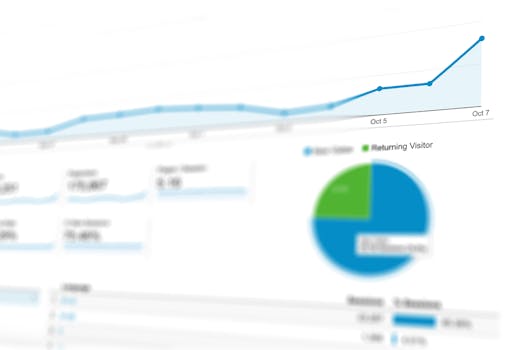
Abstract visualization of data analytics with graphs and charts showing dynamic growth.Photo: Negative Space / Pexels
For any nonprofit organization, the ability to effectively manage relationships with donors, volunteers, and constituents is paramount to achieving its mission. This is where the best nonprofit CRM software becomes an indispensable tool, transforming how organizations operate and engage with their community. At its heart, a CRM (Customer Relationship Management) system, when tailored for nonprofits, evolves into a Constituent Relationship Management system. It centralizes all interactions, data, and communications related to your supporters, providing a 360-degree view of every individual and organization that contributes to your cause. The benefits extend far beyond simple contact management. Firstly, a robust nonprofit CRM dramatically improves donor retention. By tracking donation history, communication preferences, and engagement levels, organizations can segment their donor base and craft highly personalized appeals. Imagine sending a heartfelt thank-you note that references a specific past donation or a campaign a donor actively supported – this level of personalization fosters stronger bonds and encourages continued giving. Without a CRM, this would be a monumental, if not impossible, task, often leading to generic communications that resonate less with individual donors. Secondly, effective fundraising becomes more strategic and less reliant on guesswork. The best nonprofit CRM software offers features like fundraising campaign management, pledge tracking, and grant management. This allows organizations to monitor the progress of various campaigns in real-time, identify potential major donors, and meticulously manage the grant application process from start to finish. Predictive analytics, a feature in more advanced CRMs, can even help identify donors most likely to give again or upgrade their contributions, enabling proactive engagement strategies. This data-driven approach ensures that fundraising efforts are targeted, efficient, and ultimately more successful, maximizing the return on investment for every campaign. Thirdly, operational efficiency sees a significant boost. Manual data entry, disparate spreadsheets, and fragmented communication channels are notorious time-wasters for nonprofits. A CRM automates many administrative tasks, such as donation processing, receipt generation, and communication scheduling. This frees up valuable staff time, allowing your team to focus on mission-critical activities rather than getting bogged down in paperwork. Furthermore, by providing a single source of truth for all constituent data, it eliminates data silos and ensures that everyone in the organization is working with the most current and accurate information. This streamlined workflow contributes to a more productive and less stressful work environment, which is vital for nonprofit teams often working with limited resources. Ultimately, investing in the right nonprofit CRM software isn't just about technology; it's about investing in the long-term sustainability and impact of your mission. It empowers your team to build deeper relationships, raise more funds, and operate with greater efficiency, directly translating into a greater positive change in the community. For more insights on optimizing your operations, consider exploring best practices in nonprofit financial management.

Key Features to Look for in Leading Fundraising CRM for Nonprofits

Volunteers sort aid and food boxes for a charity drive, promoting togetherness and social good.Photo: RDNE Stock project / Pexels
When evaluating the best nonprofit CRM software, it's crucial to look beyond basic contact management and delve into features specifically designed for the unique needs of charitable organizations. The right set of functionalities can make all the difference in your ability to connect with supporters, manage campaigns, and report on your impact. One of the most critical features is comprehensive donor management. This includes the ability to track every interaction, donation, and communication with a donor, creating a rich profile that informs future engagement. Look for systems that allow for custom fields to capture specific information relevant to your cause, robust segmentation capabilities to group donors by giving level, interests, or engagement history, and detailed giving history reports. The system should also easily handle various donation types, including one-time gifts, recurring donations, pledges, in-kind contributions, and even stock donations, providing automated acknowledgment and receipting processes. Another essential component is powerful fundraising campaign management. This goes beyond just tracking donations. It should enable you to plan, execute, and monitor multiple fundraising campaigns simultaneously. Features to look for include goal tracking, real-time progress dashboards, integration with online donation pages, peer-to-peer fundraising tools, and event management capabilities. The ability to link specific donations to particular campaigns or appeals is vital for accurate reporting and understanding campaign effectiveness. Some advanced systems even offer A/B testing for email appeals or donation page layouts, helping you optimize your outreach for better results. Communication and engagement tools are equally vital. The best nonprofit CRM software should offer integrated email marketing, allowing you to send newsletters, appeals, and thank-you messages directly from the platform. Look for features like email templates, automation for welcome series or lapsed donor outreach, and robust analytics to track open rates, click-through rates, and conversions. Integration with social media platforms can also be a significant advantage, enabling you to track social engagement and identify potential advocates. Furthermore, volunteer management features, if applicable to your organization, can streamline the process of recruiting, scheduling, and communicating with your invaluable volunteers, ensuring they feel appreciated and effectively utilized. Finally, robust reporting and analytics are non-negotiable. A CRM is only as good as the insights it provides. Look for customizable dashboards that offer a quick overview of key metrics like fundraising totals, donor retention rates, and campaign performance. The system should allow you to generate a wide range of reports, from basic donor lists to detailed analysis of giving trends over time. The ability to export data easily for further analysis or integration with other business intelligence tools is also a plus. These analytical capabilities empower you to make data-driven decisions, refine your strategies, and ultimately demonstrate your impact to stakeholders and potential funders. Without strong reporting, even the most feature-rich CRM can fall short in providing actionable intelligence.

Navigating Implementation and Maximizing Your CRM Investment for Charities

Three volunteers organizing donation boxes with clothes and food items in a community center.Photo: Gustavo Fring / Pexels
Selecting the best nonprofit CRM software is just the first step; successful implementation and ongoing optimization are critical to realizing its full potential. Many organizations underestimate the effort involved in transitioning to a new system, but a well-planned approach can ensure a smooth rollout and maximize your return on investment for charities. The implementation phase typically involves several key stages, each requiring careful attention and collaboration from your team. The first crucial step is data migration. This often proves to be the most challenging part of the process. You'll need to consolidate existing donor data from various sources – spreadsheets, old databases, email lists – and clean it thoroughly. This means removing duplicates, correcting errors, and standardizing formats. A clean dataset is fundamental for the CRM to function effectively and provide accurate insights. Many CRM providers offer migration services or tools, but it's essential to understand their capabilities and allocate internal resources for data preparation. Neglecting data hygiene at this stage can lead to ongoing frustrations and inaccurate reporting down the line. Following data migration, comprehensive staff training is paramount. Even the most intuitive CRM will require your team to learn new workflows and best practices. Don't assume that everyone will pick it up quickly. Plan for structured training sessions, provide clear documentation, and offer ongoing support. Consider designating internal 'CRM champions' who can become super-users and assist their colleagues. The success of your CRM largely depends on user adoption, and proper training fosters confidence and encourages consistent usage across all departments, from fundraising to communications and program delivery. Without adequate training, your team might revert to old, less efficient methods, undermining the entire investment. Beyond initial implementation, maximizing your CRM investment is an ongoing process of optimization and strategic use. Regularly review your CRM's performance against your organizational goals. Are you seeing improvements in donor retention? Is fundraising becoming more efficient? Are your communication efforts more personalized and effective? Use the reporting and analytics features to answer these questions and identify areas for improvement. For example, if you notice a drop-off in engagement from a particular donor segment, you can use the CRM to develop a targeted re-engagement campaign. Furthermore, take advantage of integrations. The best nonprofit CRM software often integrates seamlessly with other essential tools your organization uses, such as accounting software, email marketing platforms, event registration systems, and online payment processors. These integrations create a unified ecosystem, eliminating manual data transfers and ensuring data consistency across all platforms. This not only saves time but also provides a more holistic view of your operations and constituent interactions. Regularly explore new features and updates offered by your CRM provider. Software evolves, and staying current ensures you're leveraging the latest functionalities to enhance your mission. By committing to continuous learning and adaptation, your CRM will remain a powerful asset, helping your charity grow and thrive. For more insights on tech integration, explore resources on nonprofit technology solutions.

Avoiding Common Pitfalls When Choosing Your Nonprofit CRM

Group of volunteers organizing and distributing aid packages and bottled water outdoors.Photo: RDNE Stock project / Pexels
Choosing the best nonprofit CRM software is a significant decision, and like any major investment, it comes with potential pitfalls that organizations should actively avoid. Being aware of these common mistakes can save your nonprofit considerable time, money, and frustration in the long run. One of the most frequent errors is prioritizing price over value. While budget constraints are a reality for most nonprofits, opting for the cheapest solution without thoroughly evaluating its features and scalability can lead to buyer's remorse. A low-cost CRM that lacks essential functionalities or can't grow with your organization will inevitably require more manual workarounds, leading to inefficiencies that cost more in staff time than the initial savings. Instead, focus on the total cost of ownership, including implementation, training, and ongoing support, and assess how the CRM's capabilities align with your strategic goals. Another common mistake is failing to involve key stakeholders in the selection process. A CRM impacts various departments, from fundraising and communications to program delivery and finance. If only a small committee makes the decision, the chosen software might not meet the diverse needs of all users, leading to low adoption rates and internal resistance. Gather input from representatives across your organization, understand their pain points, and ensure the chosen CRM addresses a broad spectrum of requirements. This collaborative approach fosters buy-in and ensures a smoother transition. Neglecting data migration planning is also a significant pitfall. Many organizations underestimate the complexity and time required to clean, standardize, and transfer existing data into a new CRM. A rushed or poorly executed data migration can result in lost information, duplicate records, and inaccurate reporting, undermining the very purpose of implementing a CRM. Allocate sufficient time and resources for data preparation, and consider professional assistance if your data is particularly complex or voluminous. Finally, overlooking the importance of ongoing support and training is a critical error. A CRM is a living system that requires continuous learning and adaptation. If a vendor offers minimal post-implementation support or if your team doesn't receive adequate, ongoing training, the full potential of the software will never be realized. Look for providers with strong customer service, comprehensive knowledge bases, and opportunities for advanced training. A CRM is not a one-time purchase; it's an ongoing partnership with your chosen vendor to empower your mission effectively. **Key Pitfalls to Avoid:** * **Prioritizing price over long-term value:** A cheap solution might cost more in lost efficiency. * **Excluding key stakeholders:** Ensure all departments have a voice in the selection. * **Underestimating data migration:** Plan extensively for data cleaning and transfer. * **Ignoring ongoing support and training:** User adoption depends on continuous learning and accessible help. * **Choosing a non-scalable solution:** Your CRM should grow with your organization. * **Lack of integration capabilities:** Isolated systems create more work, not less. * **Failing to define clear goals:** Without objectives, success is hard to measure.

Comparison

FeatureBloomerangNeonOneSalesforce NPSPBlackbaud Raiser's Edge NXT
Donor Profiles & SegmentationExcellentVery GoodExcellentExcellent
Fundraising Campaign ManagementExcellentExcellentVery GoodExcellent
Email Marketing & AutomationIntegratedIntegratedVia Add-onsIntegrated
Volunteer ManagementBasicIntegratedVia Add-onsBasic
Reporting & AnalyticsExcellentVery GoodHighly CustomizableExcellent
Ease of UseHighHighModerateModerate
Pricing ModelTiered (Donors)Tiered (Contacts)Free/Paid Add-onsCustom Quote

What Our Readers Say

5 ★★★★★

"Bloomerang has completely transformed our donor communications. We've seen a noticeable increase in engagement thanks to their intuitive segmentation and personalized outreach tools. It's truly the best nonprofit CRM software we've ever used."

5 ★★★★★

"NeonOne's integrated approach to fundraising and event management has been a game-changer for our small team. Everything is in one place, making our operations so much more efficient. Highly recommend for any growing nonprofit."

5 ★★★★★

"After implementing Salesforce NPSP, our major gift fundraising efforts became incredibly streamlined. We were able to identify and cultivate relationships with high-net-worth donors more effectively, leading to a 30% increase in our annual fund."

4 ★★★★☆

"Blackbaud Raiser's Edge NXT is incredibly powerful, offering deep functionality for large organizations like ours. While the learning curve was steep initially, the comprehensive features for grant management and constituent tracking are unmatched."

5 ★★★★★

"As a development director, finding a CRM that could handle both individual donors and corporate partnerships was crucial. Bloomerang delivered, making it easy to track complex relationships and tailor our stewardship plans. It's a fantastic solution."

Frequently Asked Questions

What is the primary difference between a regular CRM and nonprofit CRM software?
While both manage relationships, nonprofit CRM software is specifically designed with features like donor management, fundraising campaign tracking, grant management, volunteer coordination, and impact reporting that are crucial for charitable organizations, unlike a standard sales-focused CRM.
Is nonprofit CRM software expensive for small organizations?
Not necessarily. Many providers offer tiered pricing based on the number of contacts or users, and some even have free versions or significant discounts for nonprofits. It's an investment, but the right CRM can save money and increase revenue over time.
How do I migrate my existing donor data to a new CRM system?
Data migration typically involves exporting your current data, cleaning it to remove duplicates and errors, and then importing it into the new CRM. Most CRM providers offer tools or services to assist with this, and it's a critical step for successful implementation.
What kind of ROI can a nonprofit expect from investing in CRM software?
ROI can be seen in various ways: increased donor retention, higher fundraising revenue, improved operational efficiency, reduced administrative costs, and better data-driven decision-making. Specific ROI varies but often far outweighs the initial investment.
How does Salesforce NPSP compare to other dedicated nonprofit CRMs?
Salesforce NPSP (Nonprofit Success Pack) is a highly customizable and powerful platform built on the Salesforce ecosystem, offering extensive integration capabilities. While it can have a steeper learning curve and may require more customization, it provides unparalleled flexibility for complex organizations, whereas dedicated CRMs often offer more out-of-the-box nonprofit-specific features.
Who within a nonprofit organization will benefit most from a CRM?
While the entire organization benefits, fundraising teams, development directors, communications staff, and executive leadership often see the most direct impact. It empowers them to manage donor relationships, execute campaigns, and report on impact more effectively.
What are the security implications of storing sensitive donor data in a cloud-based CRM?
Reputable cloud-based CRM providers employ robust security measures, including data encryption, regular backups, and compliance with industry standards (like PCI DSS for payments). It's crucial to choose a vendor with a strong security track record and clear data privacy policies.
What future trends should nonprofits consider when choosing a CRM?
Future trends include increased integration with AI for personalized donor engagement, enhanced mobile accessibility, more sophisticated predictive analytics for fundraising, and deeper integration with social giving platforms. Choosing a CRM that is regularly updated and adaptable is key.

Choosing the best nonprofit CRM software is a strategic decision that empowers your organization to connect more deeply with supporters, streamline operations, and amplify your mission's impact. Explore the options, assess your unique needs, and invest in a solution that will propel your cause forward for years to come. Start your journey to greater efficiency and donor success today!

Topics: best nonprofit CRM softwarenonprofit donor managementfundraising CRM for nonprofitsCRM for charitiesnonprofit constituent relationship management
Leo List
Brampton weed
Adultwork