Unlocking Your Potential: The Benefits of Volunteering for a Nonprofit
benefits of volunteering for a nonprofit

Unlocking Your Potential: The Benefits of Volunteering for a Nonprofit

Volunteering offers a powerful path to personal growth, professional development, and meaningful community impact.

Find Your Cause

Key Takeaways

  • ✓ Volunteering significantly boosts mental and physical health.
  • ✓ It's a proven way to develop new skills and advance your career.
  • ✓ Volunteers are 27% more likely to find employment after being out of work.
  • ✓ Making a difference for others fosters a deep sense of purpose and belonging.
  • ✓ Even a few hours a month can create substantial positive change.

How It Works

1
Identify Your Passions

Reflect on causes you care about, skills you possess, and the kind of impact you wish to make. This personal alignment ensures a fulfilling volunteer experience.

2
Research Local Nonprofits

Explore organizations in your community or online that align with your passions. Look for clear mission statements and opportunities that match your availability.

3
Connect and Inquire

Reach out to potential nonprofits, express your interest, and learn about their specific volunteer needs. Many organizations offer orientation sessions or introductory meetings.

4
Start Making a Difference

Commit to your chosen role, embrace the experience, and actively engage with the organization's mission. Your contributions, big or small, are invaluable.

Cultivating Personal Growth and Well-being Through Service
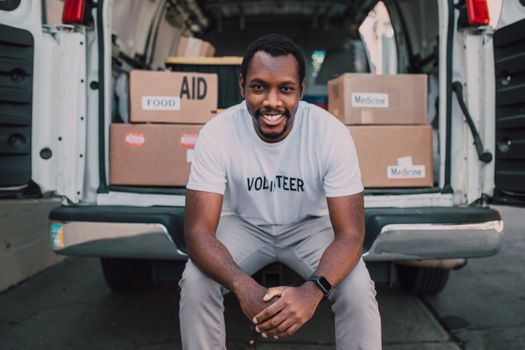
Smiling volunteer seated with boxes labeled food and medicine in a van. Photo: RDNE Stock project / Pexels
The act of volunteering for a nonprofit organization extends far beyond the immediate impact on the community; it profoundly enriches the volunteer's personal life, fostering significant growth and enhancing overall well-being. Numerous studies, including those published by the Corporation for National and Community Service, consistently demonstrate that individuals who volunteer report higher levels of happiness, life satisfaction, and lower rates of depression. This isn't merely anecdotal; the positive psychological effects are deeply rooted in our innate human need for connection, purpose, and contribution. When you dedicate your time and effort to a cause greater than yourself, you tap into a wellspring of intrinsic motivation that can be incredibly fulfilling. For instance, helping at an animal shelter might seem like a simple act of kindness, but the unconditional love received from the animals, combined with the knowledge that you're providing comfort and care, can be an immense mood booster. Similarly, mentoring a young person through an educational nonprofit can instill a sense of accomplishment and pride as you witness their progress and development. These experiences build self-esteem and self-worth, as you recognize your capacity to make a tangible difference in the world. Beyond the emotional uplift, volunteering often involves learning new skills or challenging yourself in unfamiliar situations. Whether it's organizing an event, assisting with administrative tasks, or directly interacting with beneficiaries, each task presents an opportunity for personal development. You might discover a hidden talent for public speaking while advocating for a cause, or hone your organizational abilities by managing a project. These aren't just professional skills; they are life skills that boost confidence and adaptability. The diverse environments and people encountered in volunteer settings also broaden perspectives, encouraging empathy and understanding. You'll meet individuals from various walks of life, each with their own stories and challenges, which can lead to a deeper appreciation for humanity and a more nuanced view of societal issues. This exposure can break down preconceived notions and build bridges between different communities. Furthermore, the physical activity often involved in volunteering, such as helping at a community garden or participating in a charity run, contributes to improved physical health. The combination of mental stimulation, emotional satisfaction, and physical engagement creates a holistic sense of well-being that is difficult to achieve through other means. In essence, volunteering is a powerful form of self-care, offering a unique pathway to personal fulfillment and a healthier, happier life. Understanding nonprofit missions can further deepen your connection to these causes. The reciprocal nature of giving and receiving, where the volunteer often gains as much, if not more, than they give, makes it an unparalleled avenue for personal enrichment. It's an investment in yourself that pays dividends in joy, purpose, and personal growth.

Enhancing Professional Skills and Career Opportunities

Two people discussing blueprints in an office setting, engaging in collaborative work. Photo: RDNE Stock project / Pexels
One of the often-underestimated benefits of volunteering for a nonprofit is its significant impact on professional development and career advancement. In today's competitive job market, experience is paramount, and volunteering offers a unique and accessible avenue to gain invaluable skills that are highly sought after by employers. Many volunteer roles, even entry-level ones, require competencies like project management, communication, teamwork, problem-solving, and leadership. For instance, coordinating a fundraising event for a local charity demands meticulous planning, budgeting, marketing, and the ability to rally a team – skills directly transferable to a corporate environment. Similarly, helping a nonprofit manage their social media presence can develop your digital marketing and content creation expertise, while assisting with grant writing can sharpen your research and persuasive writing abilities. These aren't just 'soft skills'; they are critical professional attributes that demonstrate initiative, dedication, and a practical understanding of workplace dynamics. Furthermore, volunteering provides an excellent opportunity to explore new career paths or pivot into a different industry without the pressure of a formal job commitment. If you're considering a career change but lack direct experience in a particular field, volunteering can be your gateway. For example, someone contemplating a career in environmental science could volunteer with a conservation group to gain hands-on experience in field research or community education. This practical exposure not only helps you determine if the field is a good fit but also provides tangible experience to add to your resume. Recruiters and hiring managers increasingly value volunteer experience because it signals a candidate's passion, work ethic, and ability to contribute beyond their immediate job description. It shows that you are proactive, community-minded, and capable of managing responsibilities outside of a paid role. In fact, LinkedIn's research indicates that 41% of hiring managers consider volunteer work equally as valuable as paid work experience. Beyond skill acquisition, volunteering is a powerful networking tool. You'll meet a diverse group of people, including fellow volunteers, nonprofit staff, board members, and community leaders, all of whom can become valuable contacts for mentorship, job leads, or professional collaboration. These connections are often more authentic and enduring than those made in traditional networking events, as they are built on a shared commitment to a cause. A strong professional network is crucial for career growth, and volunteering offers a natural environment to cultivate such relationships. The ability to articulate your volunteer experiences and the skills gained during job interviews can significantly differentiate you from other candidates. It provides compelling real-world examples of your capabilities and demonstrates a commitment to personal and professional growth. In essence, volunteering is not just giving back; it's strategically investing in your own professional future, building a robust skill set, expanding your network, and opening doors to new career possibilities.

Fostering Community Connection and Social Impact
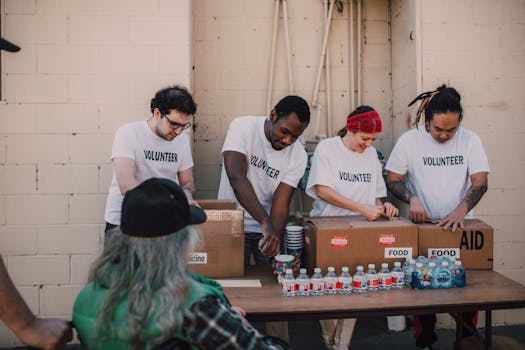
Group of volunteers organizing and distributing aid packages and bottled water outdoors. Photo: RDNE Stock project / Pexels
At its core, volunteering for a nonprofit is about making a tangible difference in the world around you, strengthening the fabric of your community, and contributing to positive social change. The most direct and immediate benefit of volunteering is the impact you have on the beneficiaries of the nonprofit's work. Whether you're serving meals to the homeless, reading to children in an after-school program, cleaning up a local park, or assisting with disaster relief efforts, your actions directly improve lives and address critical societal needs. This direct impact is incredibly rewarding and offers a profound sense of purpose that can be hard to find elsewhere. It's the feeling of knowing that because of your time and effort, someone's burden was lightened, a problem was solved, or a cause was advanced. Beyond the individual beneficiaries, volunteering plays a crucial role in building stronger, more resilient communities. Nonprofits often fill gaps that government services or private enterprises cannot, relying heavily on volunteer power to achieve their missions. When community members come together to support these organizations, they create a collective force for good. This collective action fosters a sense of shared responsibility and solidarity among residents. For example, a neighborhood clean-up organized by a local environmental group not only beautifies the area but also brings neighbors together, building social cohesion and pride in their shared space. These interactions can lead to new friendships, stronger local networks, and a more engaged citizenry. Moreover, volunteering exposes you to various social issues and challenges that you might not otherwise encounter in your daily life. This increased awareness can inspire further advocacy and action, leading to long-term systemic change. By working alongside individuals who are directly affected by these issues, you gain a deeper understanding of their complexities and the importance of collective solutions. This empathy is vital for creating a more just and equitable society. How nonprofits make a difference is often directly tied to the dedication of their volunteers. Many nonprofits depend entirely on volunteers to deliver their services, from food banks distributing provisions to crisis hotlines providing support. Without this volunteer workforce, many essential services would simply cease to exist, leaving vulnerable populations without vital assistance. Therefore, your decision to volunteer is not just a personal choice; it's an act of civic responsibility that has far-reaching positive effects on the health and vitality of your community. It empowers individuals, strengthens social bonds, and drives progress towards a better future for everyone. The ripple effect of a single volunteer's actions can be enormous, inspiring others to get involved and creating a cascade of positive change that benefits the entire community.

Practical Tips for Maximizing Your Volunteer Experience

Close-up of a man writing with a fountain pen in a notebook, indoors. Photo: Burst / Pexels
To ensure your volunteering journey is as rewarding and impactful as possible, consider these practical tips: * **Align with Your Values:** Choose an organization whose mission genuinely resonates with your personal values and passions. When you believe in the cause, your enthusiasm and commitment will naturally be higher, leading to a more fulfilling experience for both you and the nonprofit. Don't just pick any organization; research their impact and ensure their methods align with your ethical framework. * **Assess Your Availability Realistically:** Be honest about how much time you can consistently commit. It's better to offer a few hours reliably each month than to overcommit and burn out quickly. Nonprofits value consistency, so communicate your availability clearly from the outset. Consider your work schedule, family obligations, and other commitments before pledging your time. * **Communicate Openly:** Maintain clear and open communication with the nonprofit staff and volunteer coordinators. If your availability changes, or if you have questions, concerns, or suggestions, speak up. Effective communication ensures that your efforts are well-utilized and that any issues can be addressed promptly. * **Be Proactive and Take Initiative:** Once you're comfortable in your role, look for opportunities to take on more responsibility or suggest improvements. Nonprofits often operate with limited resources and appreciate volunteers who can identify needs and offer solutions. This also helps you develop new skills and demonstrate leadership. * **Embrace Learning:** View your volunteer experience as a continuous learning opportunity. Be open to new tasks, listen to feedback, and ask questions. The more you learn about the organization and its mission, the more effective and engaged you'll become. This mindset transforms a simple task into a growth experience. * **Document Your Experience:** Keep a record of the skills you've developed, the projects you've worked on, and the impact you've made. This can be invaluable for updating your resume, preparing for job interviews, or simply reflecting on your contributions. Quantify your achievements whenever possible (e.g., "helped raise $X," "assisted Y number of clients"). * **Network Thoughtfully:** While networking is a benefit, remember your primary purpose is to serve the nonprofit. Build relationships genuinely based on shared purpose. These connections will be more valuable and authentic in the long run than purely transactional networking. * **Avoid These Common Mistakes:** * **Overcommitting:** Spreading yourself too thin leads to burnout and less effective contributions. * **Lack of Follow-Through:** Failing to show up or complete tasks undermines the nonprofit's efforts and wastes their resources. * **Expecting Immediate Rewards:** While volunteering is rewarding, the impact isn't always instant. Focus on the long-term good. * **Not Asking for Help:** If you're struggling with a task, ask for guidance. Nonprofits want you to succeed. * **Treating it Like a Job Interview:** While professional, remember it's a service. Focus on helping, not just on what you can get out of it. The benefits will follow naturally. By following these guidelines, you can ensure your volunteer experience is not only beneficial for the nonprofit but also profoundly enriching for yourself, maximizing both your impact and your personal growth.

Comparison

AspectVolunteering at a NonprofitTraditional Paid WorkInformal Help (e.g., helping a friend)
Purpose/MotivationMission-driven, community impact, personal growthFinancial compensation, career advancementPersonal relationship, reciprocal support
Skill DevelopmentDiverse, often cross-functional, leadership opportunitiesSpecialized, role-specific, often hierarchicalLimited to specific tasks, less formal
Networking QualityMission-aligned, diverse, often highly engaged individualsIndustry-specific, professional peers/supervisorsPersonal circle, often less diverse
FlexibilityOften highly flexible, various commitment levelsStructured hours, defined rolesVery flexible, casual
Resume ValueHighly valued, demonstrates initiative & soft skillsEssential, demonstrates direct experienceLimited, generally not resume-worthy
Emotional RewardHigh, sense of purpose and contributionVariable, depends on job satisfactionHigh, strengthens personal bonds
Training ProvidedOften comprehensive, role-specificStandardized, job-relatedMinimal to none
Impact on CommunityDirect, measurable, systemic changeIndirect (through taxes/products), less direct personal impactLocalized, individual support

What Readers Say

"Volunteering at the local food bank has been incredibly rewarding. I've learned so much about food insecurity in my community and feel like my efforts truly make a difference in people's lives. It's deeply fulfilling."

Sarah J. · Austin, TX

"As a retired engineer, I wanted to use my skills. The benefits of volunteering for a nonprofit like Habitat for Humanity were clear: I'm building homes and teaching younger volunteers. It keeps me active and connected."

Mark D. · Seattle, WA

"I was struggling with social anxiety, but volunteering at the animal shelter pushed me out of my comfort zone. My confidence has soared, and I even landed a job interview thanks to the communication skills I developed there!"

Emily R. · Boston, MA

"While the initial training for the youth mentorship program was a bit disorganized, the actual experience of guiding a young person has been invaluable. Seeing their progress makes it all worthwhile, despite minor hiccups."

David L. · Denver, CO

"Working with a nonprofit focused on environmental conservation has opened my eyes to so many issues. I've gained practical field experience, met incredible people, and now feel a stronger connection to my community and the planet."

Jessica M. · Chicago, IL

Frequently Asked Questions

What are the most significant personal benefits of volunteering for a nonprofit?

The most significant personal benefits include enhanced mental and physical health, increased happiness and life satisfaction, improved self-esteem and confidence, and the development of a strong sense of purpose. It allows individuals to connect with others, learn new perspectives, and contribute to something larger than themselves, fostering holistic well-being.

I'm worried I don't have enough time to volunteer. How can I still contribute?

Many nonprofits offer flexible volunteering options, from a few hours a month to project-based assignments. Consider micro-volunteering, virtual opportunities, or short-term event support. Even a small, consistent commitment can make a significant impact, so don't let time constraints deter you from exploring options.

How can I find a reputable nonprofit to volunteer with?

Start by researching local and national organizations through platforms like VolunteerMatch, Idealist, or Points of Light. Look for nonprofits with clear mission statements, transparent financials (via Charity Navigator or GuideStar), and positive reviews. Contact them directly to inquire about their needs and volunteer screening processes.

Does volunteering actually help my career or job search?

Absolutely. Volunteering demonstrates initiative, leadership, teamwork, and a range of transferable skills highly valued by employers. It can fill resume gaps, provide practical experience in new fields, expand your professional network, and give you compelling examples to discuss in job interviews, significantly boosting your employability.

Is volunteering just for young people or those with a lot of free time?

Not at all. Volunteering is for people of all ages, backgrounds, and life stages. Many retirees find renewed purpose, while professionals use it for skill development or networking, and students gain valuable experience. There are opportunities tailored to every schedule and skill set, making it accessible to everyone.

Who benefits the most from volunteering for a nonprofit?

While beneficiaries directly receive aid, the volunteer often gains immensely, experiencing personal growth, skill development, enhanced well-being, and a stronger sense of community connection. Nonprofits also benefit through increased capacity and community support. Ultimately, society as a whole benefits from the collective impact of volunteer efforts.

Are there any risks or downsides to volunteering I should be aware of?

Potential downsides include emotional burnout if you overcommit, exposure to challenging situations depending on the cause, or occasional poor management within an organization. It's crucial to choose a cause you're passionate about, set realistic boundaries, and select well-organized nonprofits to minimize these risks and ensure a positive experience.

How might technology change the future of volunteering?

Technology is already transforming volunteering through virtual opportunities, online skill-based platforms, and easier matching of volunteers with causes. Future trends will likely include more AI-driven volunteer matching, gamified volunteer experiences, and enhanced digital tools for impact tracking and communication, making volunteering even more accessible and engaging globally.

Ready to unlock a world of personal growth, professional opportunity, and profound community impact? Explore the myriad benefits of volunteering for a nonprofit today and discover how your unique skills and passion can create meaningful change for yourself and others. Start your transformative journey now!

Topics: benefits of volunteering for a nonprofitvolunteer impactcommunity service advantagespersonal growth through volunteeringnonprofit engagement rewards
Leo List

IE Escorts NO Escorts US Escorts NZ Escorts AU Escorts
Brampton weed
Adultwork EstrelaBet Vai de Bet R7 Bet Betão Galera Bet Rainbet Bet9ja Shop SportyBet BetKing Sisal Loto Foot Hollywoodbets YesPlay Odibets RushBet Jugabet BetWarrior BetCity MSport betPawa Fortebet